
Hair
Women's health
Men's health
Wellness
Hair
Women's health
Men's health
Wellness
Quick answer
The facial treatments that actually work are the ones matched to a specific concern and backed by medical sources: chemical peels for uneven tone and fine lines, microneedling for acne scars, and blue or red light for pimples. Even then, results vary, usually take a series of sessions and depend largely on the skill of the person doing the treatment. A standard facial focuses on cleansing, exfoliating and hydrating, which can leave your skin feeling fresher.
Not all facials are created equal. Some are mainly about a fresh, relaxed feeling on the day; others are aimed at acne, pigmentation or fine lines over a series of visits. Here’s what medical sources say about five common options.
It means a realistic, visible change in one specific concern, not just a fresh feeling that fades by tomorrow. A facial that “works” usually has these things in place:
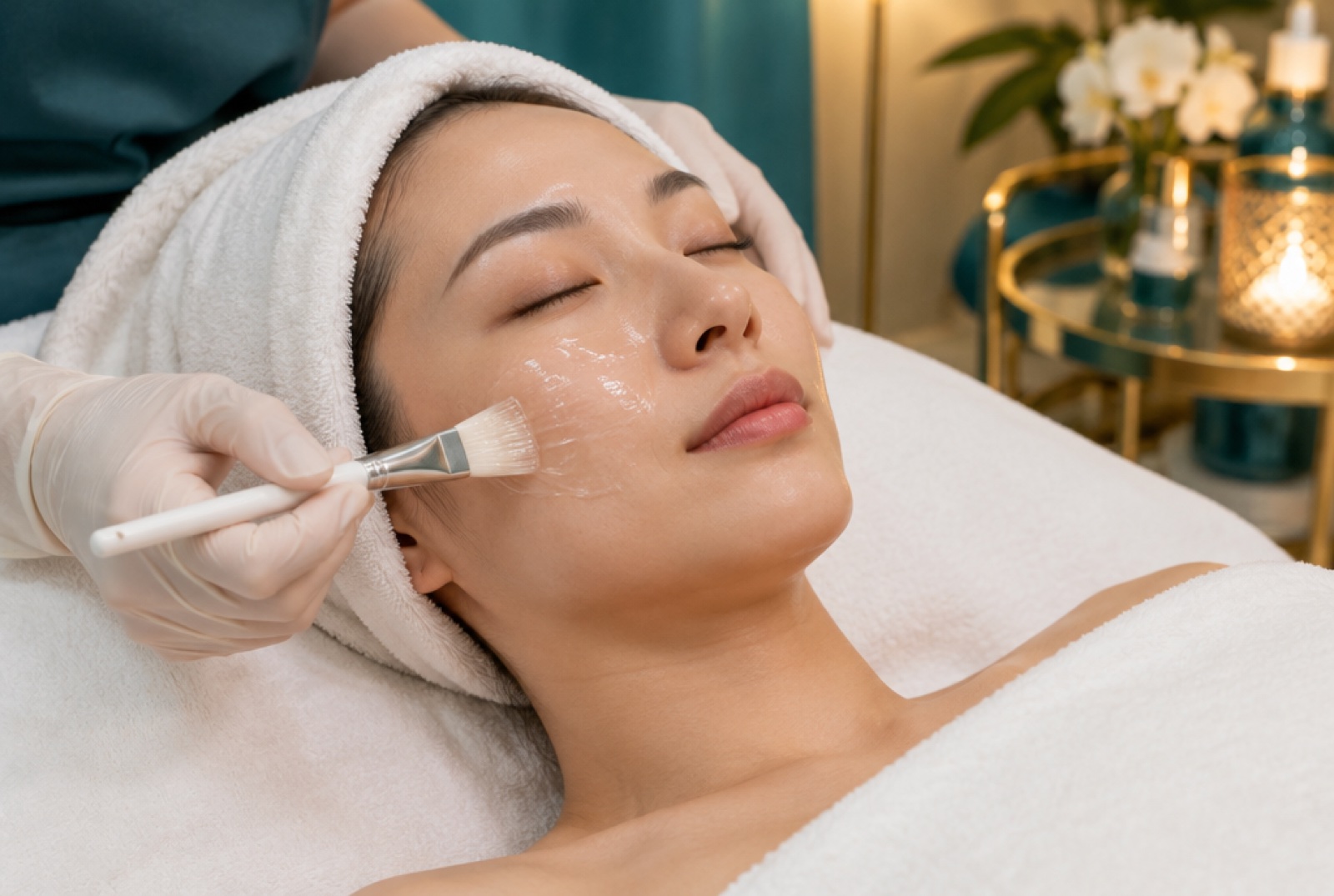
To be fair to the standard facial: according to Cleveland Clinic, it typically includes cleansing, exfoliation, a mask, moisturiser and light massage, and may include steaming, extraction of blackheads or whiteheads and serums. That is mostly about cleansing and hydration. If you want help working out which type of facial fits your skin, read which facial treatment suits your skin.
A quick note on two popular searches. A “laser facial” is a laser procedure, which is a different thing from a facial, so ask for a skin assessment first. And “skin tightening facial” is a menu label rather than a medical term: ask exactly which procedure it means, and note that sagging skin doesn’t respond well to chemical peels.
Of the five, chemical peels, microneedling and LED light therapy are the ones the medical sources we checked describe for specific concerns. HydraFacial is described, but not measured for long-term change, and we found no medical source covering oxygen facials.
| Treatment | What sources say it can help | What it can’t do | What it usually takes |
|---|---|---|---|
| Chemical peel | Fine lines, certain types of acne, uneven skin colouring, sun spots, mild scarring | Sagging, deep scars, deep lines, severe wrinkles | Light peels are often done in a series |
| Microneedling | Acne scars, wrinkles, uneven tone and texture | Home rollers and spa versions give less noticeable results; results fade as the body loses collagen | Usually several treatments; full results take several months |
| LED (blue and red light) | Pimples; red light may reduce inflammation | Blackheads, whiteheads, acne cysts, nodules | Regular sessions, often alongside another acne treatment |
| HydraFacial | Exfoliating, extracting and infusing serums into the skin | No medical source we checked measures long-term change | No medical source we checked covers this |
| Oxygen facial | No medical source we checked covers this | No medical source we checked covers this | No medical source we checked covers this |
HydraFacial works as a deep-cleansing, exfoliating facial. Cleveland Clinic describes it as a three-in-one service that combines exfoliation, a chemical peel, extractions and an infusion of antioxidants and hyaluronic acid, using a wand-like tool that works like a small vacuum to give a deeper cleanse.
That makes it a reasonable choice if you want a thorough clean. But the medical sources we checked describe what the treatment involves rather than measuring long-term change, so think of it as skin maintenance, not a fix for acne scars or deep pigmentation. After a facial, skin may look a little pink; the aesthetician interviewed by Cleveland Clinic says this settles through the day.
If a deep clean is what you’re after, you can read more about HydraFacial at Westwood Clinic.
Not sure which option suits you?
Talk it through at a private assessment with our team.
Yes, for the right concerns. Light peels can help with fine wrinkling, acne, uneven skin colouring and dry, rough, sun-damaged skin, usually over a series of sessions. Medium and deeper peels go further but come with real recovery time.
Here’s what to know before you book:
Peels often use acids such as glycolic, salicylic or lactic acid, and the choice depends on your goal. Learn more about chemical peels at Westwood Clinic.
There’s some evidence that it helps. Blue, red and blue-plus-red light can treat pimples, and experts believe red light may reduce inflammation and stimulate collagen. But light treatments can rarely clear acne on their own, results vary from person to person and you’ll need regular sessions.
A few honest points:
There’s usually no recovery time, though you should be careful in the sun afterwards and use extra sunscreen. Side effects are rare but can include redness, a rash or increased inflammation, and there’s less information about long-term safety. If you’d like to try it, see LED light therapy at Westwood Clinic.
Yes, it’s often used for acne scars and uneven texture. Tiny needles make controlled punctures that prompt your skin to make collagen, and improvement appears gradually, often over a series of sessions.
What to expect:
Results fade as your body loses collagen, so your provider may suggest maintenance sessions. Find out more about microneedling at Westwood Clinic.
Oxygen facials are widely offered, but none of the medical sources we checked (the American Academy of Dermatology, Cleveland Clinic and the NHS) describe what they do for the skin. That means we can’t point to evidence either way.
So treat claims that oxygen “feeds” or “revives” your skin cells with caution. If your goal is acne, scars or pigmentation, the treatments above are the ones these sources describe for those concerns.
Usually because the treatment didn’t match the concern, or it wasn’t given enough time. Common reasons:
What you do at home between visits matters too. Here’s a look at clinic facials vs home skincare.
Be wary of promises of overnight change, results that never fade, a treatment that suits everyone or zero recovery, and of pressure to add extras on every visit. Cleveland Clinic notes that spas commonly market their services with lofty claims, so if something seems too good to be true, proceed with caution and choose providers who guide you rather than just sell.
Before you pay, ask:
If you’re comparing places, here’s how to choose a facial treatment near me in KL.
A standard facial cleans, exfoliates and hydrates, which can leave skin feeling and looking fresher. For specific concerns like acne scars or uneven tone, medical sources describe treatments such as chemical peels or microneedling.
It depends on the type of acne you have. Blue or red light can help pimples but not blackheads, whiteheads or cysts, and light peels can help some types of acne too. If your acne is deep, painful or scarring, see a doctor first.
It depends on what you want. HydraFacial is a thorough exfoliating, extracting and serum-infusing facial, so it’s a reasonable choice for skin maintenance. The medical sources we checked don’t measure long-term results, so it isn’t the right choice if your main goal is fading scars.
The sources we checked don’t describe a standard facial as a scar treatment. Microneedling is often used for acne scars and can make them less noticeable over months, and medium peels can help some acne scarring, but deep scars don’t respond well to chemical peels.
An aesthetician interviewed by Cleveland Clinic describes “purging”, where breakouts follow a first facial or new products and settle within a week or two. But a rash, worsening redness, swelling or pain is a reason to contact the clinic, not to wait it out.
The same aesthetician suggests a standard facial every four to six weeks. Treatments like peels, microneedling and LED follow the series your doctor plans for your skin.
The ones matched to one clear concern, with medical sources behind them. Expect a series of sessions rather than a miracle, and protect your results with daily sunscreen. If you’re not sure where to start, book a skin assessment at Westwood Clinic and we’ll help you find which treatment fits your skin.
Not sure which option suits you?
Talk it through at a private assessment with our team.