
Hair
Women's health
Men's health
Wellness
Hair
Women's health
Men's health
Wellness
Quick answer
Fractional CO2 laser is a resurfacing laser that treats tiny columns of skin so that it heals with new collagen, and it is used mainly for acne scars, fine lines, rough texture and sun-damaged skin. It comes with about a week of real downtime and a higher risk of dark marks in medium to darker skin, so a doctor’s assessment comes first.
A CO2 (carbon dioxide) laser is an ablative laser: it removes the outer layer of skin and heats the layer beneath, which prompts the skin to grow new collagen as it heals. “Fractional” means the laser treats many narrow columns of skin and leaves the skin between them untouched.
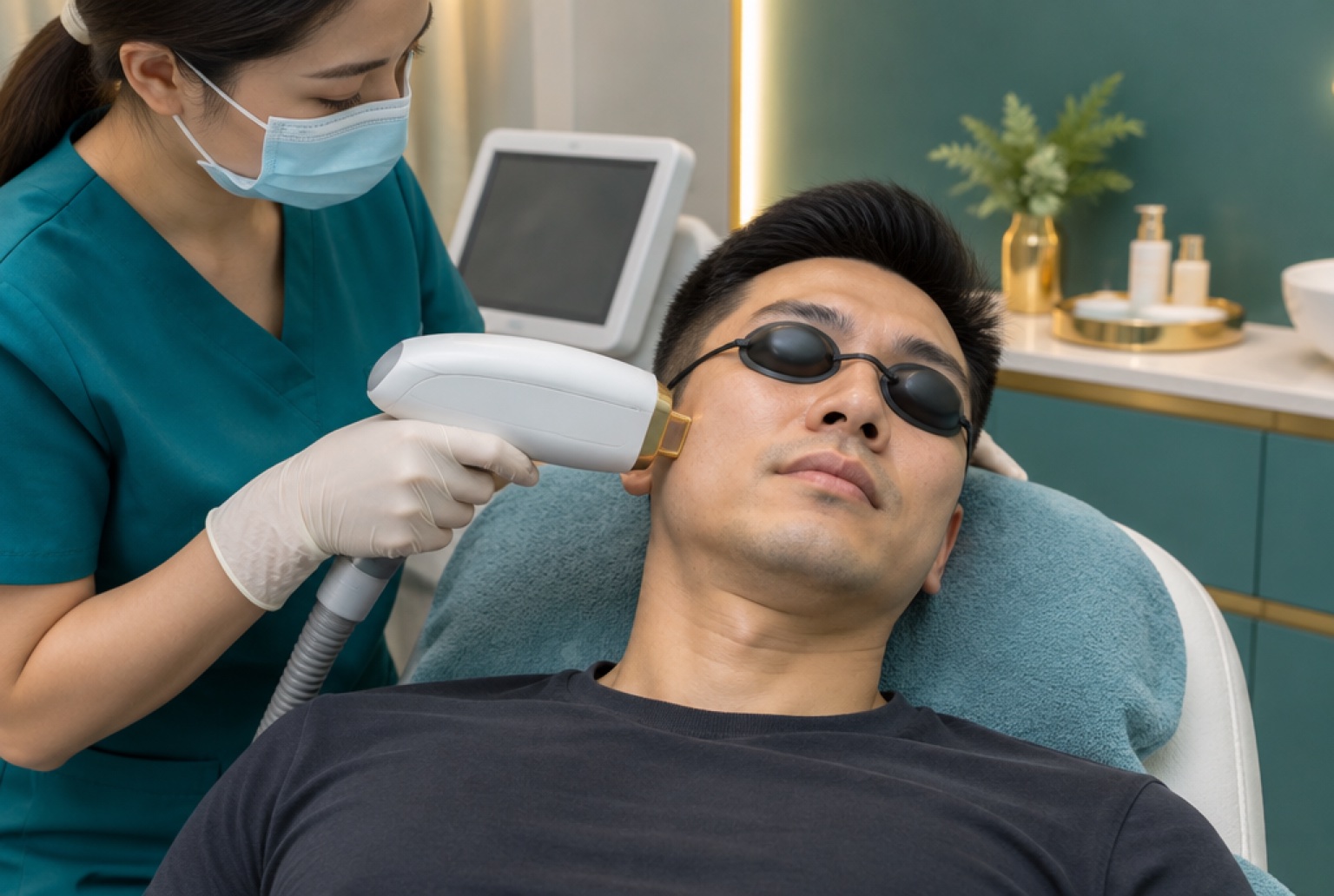
Because much of the skin is left intact, less skin is injured than with older resurfacing that treats the whole surface. Cleveland Clinic explains that the skin tightens as the collagen between the treated columns contracts.
CO2 isn’t the only kind of resurfacing. Non-ablative lasers heat the skin without removing its surface and need little or no downtime, and erbium lasers are another resurfacing option. Your doctor will say which suits your skin and your concern.
Laser resurfacing is used to soften the look of scars and wrinkles, even out skin colouring and tighten skin. According to Cleveland Clinic, people who may suit it include those with:
For acne scars, the American Academy of Dermatology (AAD) explains that as skin heals after laser resurfacing, it makes collagen and elastin, which can make scars less noticeable. For a different laser approach, read about pico laser for acne scars. If dark spots are your main concern, read our separate guide on which laser suits pigmentation.
CO2 lasers have also been used for some benign growths, such as warts and birthmarks. Have any growth or spot checked by a doctor first: the AAD points out that what looks like a harmless age spot could be a skin cancer.
Some people are not good candidates for laser resurfacing, and others need to wait or prepare first. Cleveland Clinic lists active acne, very dark skin, deep wrinkles and excess or sagging skin as reasons resurfacing may not be the right choice.
Tell your doctor, and expect to wait or prepare, if you have:
Not sure which option suits you?
Talk it through at a private assessment with our team.
CO2 laser can be used on darker skin, but the risk is higher. People with medium to darker skin tones have a greater chance of healing with darker patches, called post-inflammatory hyperpigmentation (PIH), and more rarely with lighter patches (hypopigmentation).
The AAD says lasers can be used on all skin types, but darker skin is more prone to burns and dark marks after laser treatment. It advises working with a doctor who has experience treating darker skin with lasers, so ask how often your doctor treats skin like yours.
Sun protection lowers the risk. Cleveland Clinic recommends broad-spectrum sunscreen for weeks before and after treatment to help prevent pigment changes. If dark patches do appear, a lightening cream may be used. The AAD notes that a dark spot a few shades darker than your natural colour usually fades within 6 to 12 months once the cause stops, while discolouration deep in the skin can take years.
There are other routes too. Cleveland Clinic says erbium resurfacing causes fewer side effects than CO2 and may be a good choice for darker skin, and your doctor may suggest a non-ablative option instead.
Plan for about a week before you feel ready to go out with camouflage makeup, and expect some pinkness for weeks or months after that. Cleveland Clinic gives one full week of recovery for fractional laser resurfacing, and many people stay home for the first few days.
| When | What’s typical | What helps |
|---|---|---|
| The first few days | Skin is red, swollen and feels sunburned; it may look raw, ooze or blister; itching or stinging may last a few days | Clean the skin as instructed and keep it moist with the ointment you’re given; sleep on an extra pillow for the first four nights |
| Around day 5 to 7 | Skin dries and peels; the new skin underneath is pink | Leave peeling skin and crusts alone |
| After about a week | Many people return to normal activities, using camouflage makeup once the skin has healed | Ask your doctor when you can start makeup |
| The following weeks to months | Pinkness fades gradually, usually over two to three months, sometimes longer | Daily sunscreen once healed; follow-up as advised |
Healing time depends on the depth of treatment. Cleveland Clinic says treated areas generally heal in 5 to 21 days, depending on the condition treated and the laser used, and redness can take up to a year to disappear fully in some people. The deeper the treatment, the longer the recovery.
Redness, swelling, itching and stinging are expected for a few days after treatment. Other possible effects include:
The AAD says the results of a laser procedure depend largely on the skill of the person performing it. However tempting, never scratch or pick at crusts, as this can cause scarring or infection.
Your doctor’s instructions come first. Cleveland Clinic’s general guidance looks like this.
Before treatment:
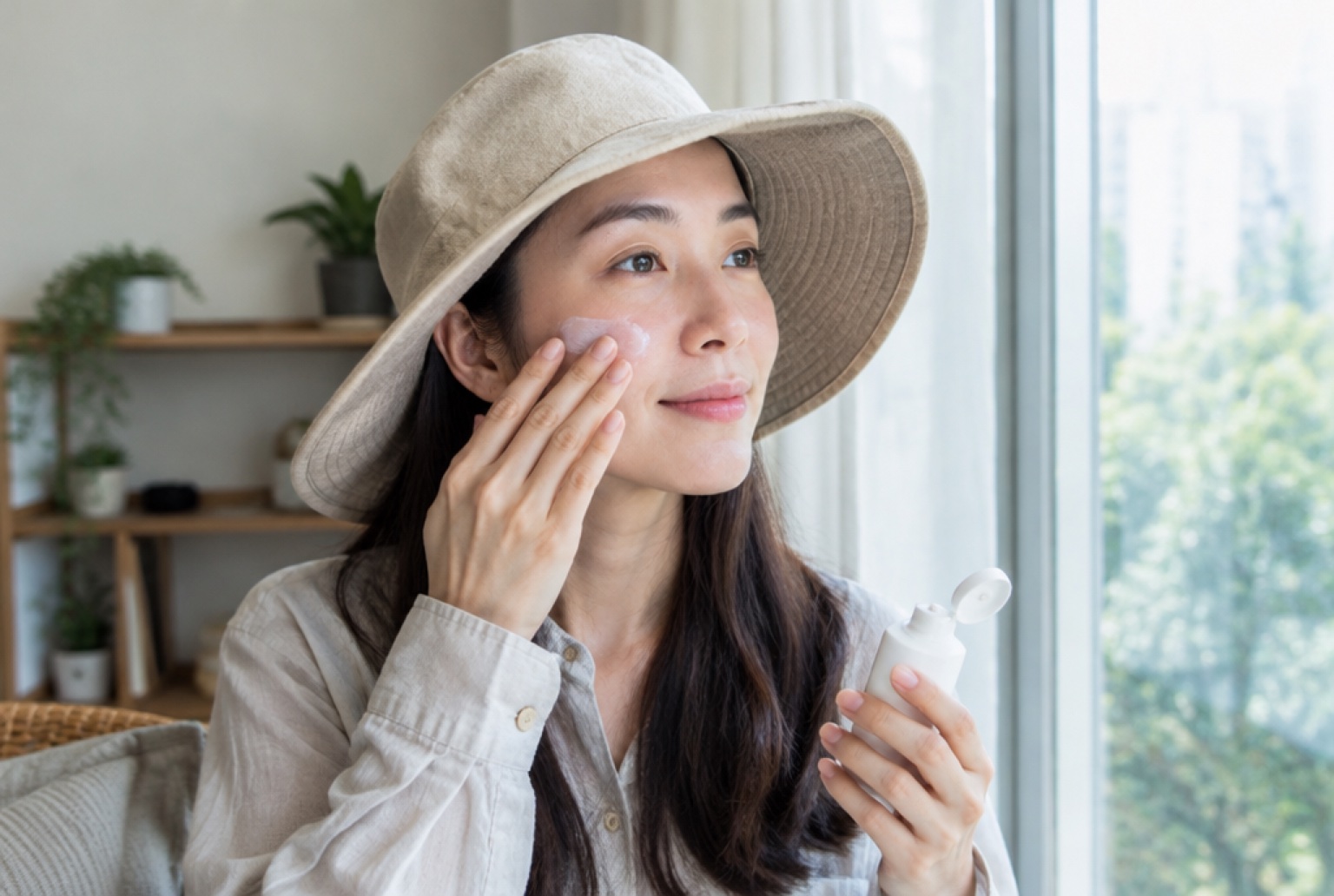
After treatment:
In Malaysia, the sun is strong all year, and healing skin darkens easily, especially if you have medium to darker skin. Plan for shade, a hat and sunscreen on every outing, including short trips, until your doctor says the skin has fully settled.
They are different tools. CO2 is a resurfacing laser with about a week of downtime, used mainly for texture, scars and lines. Pico laser works in a different way, so people with acne scars or dark spots often weigh the two up. Read how pico laser and CO2 laser compare for the full picture, and let your doctor advise which fits your skin and how much time off you can take.
Your skin looks smoother as it heals, and Cleveland Clinic says it may keep improving for up to a year. The improvement may last several years, but normal ageing carries on and new lines will form over time.
Results vary from person to person. For acne scars, Cleveland Clinic says scars may not disappear completely, but most treatments make them smaller and less visible. Your doctor will consider the type and number of your scars, your age and your skin tone when planning treatment.
The cost depends on what is being treated and how. The main factors are:
Ask what the fee includes and whether anything is charged separately, so you can compare plans fairly.
The area is numbed with a local anaesthetic first, and Cleveland Clinic notes that deeper or full-face ablative treatments may be done with sedation or stronger anaesthesia. Afterwards the skin feels sunburned for a few days. Ask your doctor what pain control your treatment will involve.
Plan on about a week. The skin is red, swollen and may ooze for the first few days, then peels around day 5 to 7. Many people return to normal activities with camouflage makeup after a week, but pinkness can last two to three months or longer.
Usually not completely. Laser resurfacing can make acne scars less noticeable, and Cleveland Clinic says most treatments make scars smaller and less visible, but they may not disappear altogether.
No. The improvement may last several years, but your skin keeps ageing and new lines will form. Laser resurfacing can be repeated later if you and your doctor feel it is right.
Yes. Darker patches (PIH) can appear after resurfacing, and the risk is higher in medium to darker skin. Avoiding sun and tanning before treatment, using sunscreen before and after, and choosing a doctor experienced with your skin tone all help lower the risk.
It needs great care. Cleveland Clinic says lasers can cause darker pigment after treatment in melasma and should only be used by specialists experienced in treating it, and the AAD notes that melasma often returns, especially with sun exposure. Talk to a doctor about melasma before considering any laser.
It depends on your concern, how deep the treatment is and how your skin responds. Your doctor will advise after assessing your skin and scars.
Fractional CO2 laser can soften acne scars, fine lines and rough texture, but it asks for about a week of downtime and careful sun protection afterwards, and it carries a higher risk of dark marks in darker skin. At Westwood Clinic, a doctor assesses every patient before any treatment is suggested, so you’ll know whether CO2 or another option suits your skin. Read about CO2 laser treatment at Westwood Clinic, then find your nearest Westwood Clinic outlet to book an assessment.
Not sure which option suits you?
Talk it through at a private assessment with our team.