
Hair
Women's health
Men's health
Wellness
Hair
Women's health
Men's health
Wellness
Quick answer
The right laser for pigmentation depends on the kind of pigment you have, how deep it sits and your skin tone. Laser can fade some dark spots, such as age spots, but melasma and darker skin need extra care because laser treatment can also leave dark marks. Read about laser treatment for pigmentation and melasma, then have your skin assessed before you choose.

Pigmentation is a description, not a diagnosis. Hyperpigmentation simply means some areas of skin are darker than others because of extra melanin, the substance that gives skin its colour, and Cleveland Clinic lists many different causes.
Depth matters too. Cleveland Clinic describes epidermal (nearer the surface), dermal (deeper) and mixed melasma, and notes that dermal melasma doesn’t respond well to treatment. A dermatologist may use a Wood’s lamp or a dermatoscope to see how deep the pigment reaches.
Have any new or changing spot checked by a doctor before cosmetic treatment. The American Academy of Dermatology (AAD) warns that what looks like an age spot could be skin cancer, and fading a skin cancer with a cosmetic treatment can give it time to grow.
The main options are pigment lasers, ablative resurfacing lasers, fractional lasers and intense pulsed light (IPL), which is a light treatment rather than a true laser. Each has a different job, recovery and risk profile.
What it is: lasers aimed at pigment itself. Cleveland Clinic lists “pigmented lesion laser” among treatments for hyperpigmentation. Westwood’s pico laser treatment page describes pico laser as delivering ultra-short pulses of laser energy, aimed at concerns that include pigmentation.
What it may help: age spots and some dark spots. The AAD says pigment lasers can be used at gentler settings with little downtime over more sessions, or at stronger settings with more downtime and fewer sessions. For melasma, Cleveland Clinic lists low-fluence (low-energy) Q-switched lasers among the light-based options a dermatologist may add.
Who it suits less: anyone whose spot hasn’t been diagnosed, and people with melasma or PIH who haven’t discussed the risk of darker marks afterwards.
What it is: CO2 and erbium are the two main resurfacing lasers. They remove the outer layer of skin, layer by layer, and heat the layer underneath.
What it may help: Cleveland Clinic lists uneven pigmentation, age spots and sun-damaged skin among the concerns resurfacing can address, alongside scars and fine lines.
Who it suits less: darker skin tones have a greater risk of healing with darker pigmentation, and Cleveland Clinic lists very dark skin and active acne among reasons someone may not be a good candidate. It also notes that erbium causes fewer side effects than CO2 and may be a good choice for darker skin.
What it is: fractional CO2 treats many narrow columns of skin and leaves the skin around them intact. Non-ablative fractionated lasers are a separate, non-resurfacing option.
What it may help: fractional CO2 is a form of resurfacing, so it is used for similar concerns. Cleveland Clinic lists non-ablative fractionated lasers among the light-based options for melasma.
Who it suits less: because fractional CO2 reaches deeper than other lasers, Cleveland Clinic notes a greater risk of complicated healing and scarring.
What it is: a light-based treatment that is often compared with lasers. The AAD notes that light therapy is not considered a true laser.
What it may help: dermatologists use it for concerns from redness to sun damage, and Cleveland Clinic lists it among the light-based options for melasma.
Who it suits less: being on that list doesn’t make it a first treatment for melasma. Ask why it is proposed for your skin and what else would go with it.
Neither is a main pigmentation laser. Malaysia’s Ministry of Health lists diode among lasers for hair removal, separately from lasers for treating skin pigmentation. LED (light-emitting diode) light therapy is a non-laser light treatment, and the uses Cleveland Clinic lists for it are concerns such as acne, fine lines and psoriasis, not pigmentation.
The pigment should be diagnosed before a laser or light treatment is chosen. Use this table as a list of options to discuss with your doctor, not a prescription.
| Pigment concern | Laser or light options a doctor may consider | Things to know |
|---|---|---|
| Sun spots and age spots | A pigment laser, or resurfacing for wider sun damage | Confirm it is an age spot first. Lasers can cause crusting or temporary darkening that tends to fade quickly. |
| Freckles | Ask whether treatment is needed and which approach fits | Melasma can be mistaken for freckles, so get the diagnosis right before any laser. |
| Dark marks after acne (PIH) | Treating the cause first; a procedure only after assessment | Once the cause stops, many marks fade on their own. Laser can also cause dark marks, especially in darker skin. |
| Melasma | Low-fluence Q-switched laser, non-ablative fractionated laser or IPL, as an add-on | Usually needs sun protection and prescription creams too. Lasers can cause darker patches afterwards. |
| Mixed pigment and rough texture | Resurfacing or fractional laser after assessment | Discuss recovery time and the risk of darker or, more rarely, lighter patches. |
Not sure which option suits you?
Talk it through at a private assessment with our team.
Laser is an add-on for melasma, not the first or only treatment, and it carries a real risk of making pigment darker. The AAD says treatment usually begins with sun protection and creams, and that there is no one best treatment for melasma.
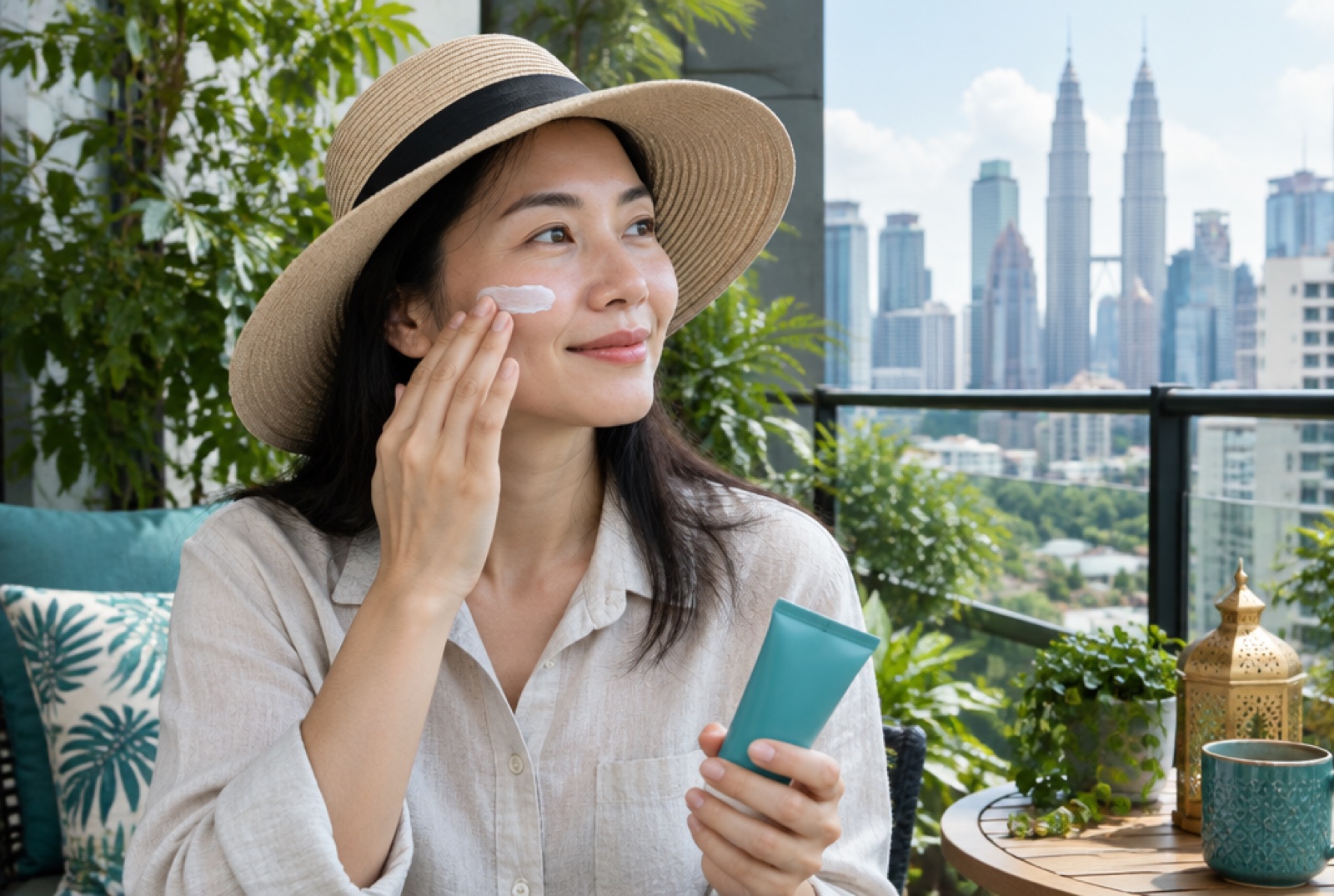
A few studies found that adding a laser or light treatment can improve results for people who are already using medication on their skin and protecting it from the sun, according to the AAD. Cleveland Clinic warns that chemical peels and lasers can cause post-procedure hyperpigmentation and scarring in melasma, and should be used only by specialists experienced in treating it, together with topical medicines.
Keep expectations realistic:
If you’re pregnant, the AAD advises waiting until after the baby is born to treat melasma, because it may improve or even go away after birth.
Lasers can be used on all skin types, but the AAD says darker skin is more prone to burns and dark marks after laser treatment. That’s why the type of laser, the settings and the preparation matter, and why the AAD advises working with a doctor experienced in treating darker skin with lasers.
PIH means darkening that follows inflammation or injury. The AAD says that once the cause is found and stopped, a spot a few shades darker than your natural skin usually fades within 6 to 12 months, while colour that lies deep in the skin can take years. Treatment can speed up fading.
The AAD also notes that the results of a laser procedure depend largely on the skill of the person performing it. Tell your doctor how easily your skin darkens after pimples, cuts or sun, and ask what they would do if pigment worsened after treatment.
They do different jobs. Pico laser is aimed mainly at pigment, while CO2 is a resurfacing laser that removes the outer layer of skin and can treat texture, such as scars and fine lines, as well as uneven pigment.
With lasers that target pigment, the AAD describes a choice between gentler settings over more sessions and stronger settings with more downtime. CO2 resurfacing has a recovery time of up to two weeks, according to Cleveland Clinic, and darker skin has a greater risk of healing with darker pigmentation. Neither option is automatically right; the choice depends on your diagnosis, skin tone and how much recovery time you can accept. For the deeper dive, read about pico laser for pigmentation and scars.
It depends on the type of pigment, how deep it sits and the laser used. The AAD says one or two laser treatments can treat age spots, with longer-lasting results than creams; melasma and deeper pigment usually take longer and can return.
Pigment can come back after any treatment. The AAD notes that age spots can return and that sun protection helps prevent this, and Cleveland Clinic says new spots can appear over time, especially without sun protection. Ask your doctor how progress will be reviewed and what would change the plan.
Side effects depend on the laser and your skin. These are the ones the AAD and Cleveland Clinic describe:
Contact the clinic if a reaction gets worse, doesn’t settle as expected or worries you. Don’t pick at crusts, as Cleveland Clinic warns this can cause scarring or infection.
Avoid getting a tan, and protect your skin with shade, clothing and a broad-spectrum, water-resistant sunscreen with SPF 30 or higher. Tell your doctor about all your skin products, medicines and supplements, as you may need to stop some products such as topical retinoids before treatment. Choose gentle skin care, since products that burn or sting can darken dark spots, and if you have melasma ask about a tinted sunscreen with iron oxide, which the AAD recommends because visible light can worsen it. For the full routine, read our guide to caring for your skin after laser pigmentation treatment.
Cost depends on the type of pigment, the size of the area, the type of laser or light treatment, the number of sessions advised, any prescription creams used alongside it and the skin assessment.
Ask for the full proposed plan and what each part covers before you agree. Comparing plans tells you more than comparing treatment names, and it helps to know whether follow-up sessions would need a fresh decision.
There is no single best laser for every kind of pigmentation or every skin tone. The right choice depends on whether you have age spots, PIH, freckles or melasma, how deep the pigment sits and how your skin reacts to heat and injury, so a diagnosis comes first.
Don’t count on it. Age spots can return without sun protection, new spots can appear over time, and the AAD says treatment cannot make melasma go away forever, so daily sun protection stays part of the plan after any laser.
Yes, it can. Darker skin is more prone to burns and dark marks after laser, resurfacing can leave darker patches as it heals, and Cleveland Clinic warns that lasers can cause post-procedure hyperpigmentation in melasma.
It needs individual assessment. The light-based options Cleveland Clinic lists for melasma are low-fluence Q-switched lasers, non-ablative fractionated lasers and IPL, and the AAD says only a few studies support adding laser or light, for people already using creams and sun protection. Ask your doctor whether any laser is worth the risk of darker patches for your skin.
The AAD says one or two laser treatments can treat age spots. Melasma, PIH and deeper pigment follow different plans and usually take longer, so ask your doctor what they recommend after examining your skin.
It depends on the laser and how strong the settings are. Pigment lasers can be used gently with little downtime over more sessions, or more strongly with more downtime, while Cleveland Clinic quotes recovery of up to two weeks for CO2 resurfacing and about one week for erbium and fractional resurfacing.
The right laser is the one that matches your type of pigment and your skin, and for melasma and darker skin tones that means extra caution. Sun protection is part of every plan, before and after treatment, and an assessment comes before any laser. If you’re still deciding who to see, read our guide to choosing a skin specialist for pigmentation, or book a skin assessment at Westwood Clinic to talk through your options.
Not sure which option suits you?
Talk it through at a private assessment with our team.