
Hair
Women's health
Men's health
Wellness
Hair
Women's health
Men's health
Wellness
Quick answer
A chemical peel is a treatment in which a chemical solution is applied to the skin so that its outer layers peel away, revealing newer skin underneath. Depending on its depth, a peel may help some types of acne, dark spots, uneven skin tone, dullness, rough texture and fine lines. The right peel depends on your skin, your goal and how much recovery time you can manage.
A chemical peel, also called chemical peeling or chemexfoliation, causes a controlled injury to the skin. The treated layers then peel off, and the new skin is usually smoother, more even in colour and brighter.
Your skin has an outer layer, the epidermis, and a middle layer beneath it, the dermis. A superficial peel removes only the outermost layer. A medium-depth peel removes the outer layer and the upper part of the dermis. The chemical used, and how long it stays on the skin, affect how deep the peel goes. “Chemical peel facial” is a common name, but the depth can vary a lot from one peel to another.
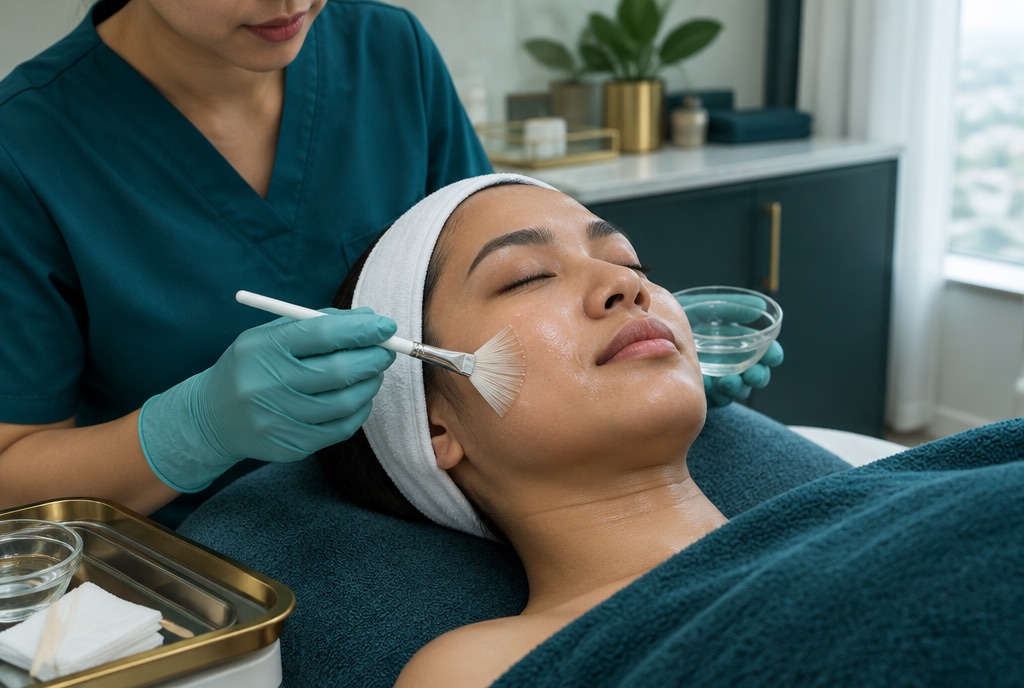
At Westwood Clinic, the chemical peel treatment uses a solution chosen for your skin type and concerns, with the strength decided after your skin has been assessed.
Peels are grouped as superficial (light), medium or deep, according to how far they reach into the skin. A deeper peel means a longer recovery and more aftercare, so the depth should match the concern, not the wish for a stronger treatment.
A carbon peel is a different treatment. A carbon-containing cream is applied to the skin and then removed with a laser, so it is a laser procedure rather than an acid peel. Microdermabrasion is different again: it removes the top layer of skin physically, using fine crystals or a diamond-tipped wand, instead of a chemical solution.
Dermatologists use chemical peels for some types of acne, uneven skin colour, age spots, dullness, rough skin and fine lines. A peel cannot treat every scar or every dark patch, so the first step is finding out what kind of mark you have.
Acne and acne scars. Light peels are used for some types of acne. For depressed acne scars, a peel can help the skin produce more collagen and elastin, which may make the scars less noticeable. Mild scarring tends to respond; deep scars, sagging skin and deep lines don’t respond well to peels and usually need a different approach.
Pigmentation and dark spots. A chemical peel for pigmentation may help with sun spots, age spots, freckles and uneven skin colour. A flat brown mark left after a pimple heals is a different problem from a pitted scar. In medium to dark skin tones, this kind of mark often fades once the acne is under control, although that can take a long time.
Melasma. A peel is sometimes added to a melasma plan, but it is not the starting point. Sun protection and medicines applied to the skin come first. Sunlight, heat and irritating products can make melasma worse, and peels and lasers can themselves cause darkening after the procedure, so they should only be used by someone experienced in treating melasma.
Underarms. If you are thinking about a chemical peel for underarms, have the darkening checked first. Darker, velvety skin in the armpit can be a sign of acanthosis nigricans, which needs a medical assessment rather than a peel.
Chemical peel before and after photos can help you ask better questions, but someone else’s result cannot tell you what your own skin will do.
Not sure which option suits you?
Talk it through at a private assessment with our team.
People with darker skin tones, including many Asian skin types, can have a chemical peel, but pigment change is the main risk to plan around. Darker skin has a greater risk of darkening after treatment, known as post-inflammatory hyperpigmentation. Medium and deep peels can also leave skin lighter than before.
The American Academy of Dermatology (AAD) advises that people with skin of colour, including Asian skin, see someone with expertise in peeling darker skin tones, because without that knowledge they can develop long-lasting pigment problems. In practice, that means:
Ask whether a small test area makes sense for your skin, and mention any past dark marks after spots, waxing or other treatments.
During a peel you may feel warmth or heat for a few minutes, followed by stinging; a cool compress can ease it. Recovery depends on the depth of the peel. The AAD gives these typical healing times:
| Peel depth | Typical healing time | What to expect |
|---|---|---|
| Light (superficial) | 1 to 7 days | Redness, then scaling that lasts 3 to 7 days |
| Medium | 7 to 14 days | Redness and swelling, which can worsen for 48 hours; blisters may form; skin crusts and peels off |
| Deep | 14 to 21 days | The area is bandaged, followed by several follow-up visits |
These are general ranges, not a personal timetable. Some people develop redness that lasts for months. After a light peel you can usually wear makeup straight away or the next day; after a medium peel, camouflage makeup is usually possible after 5 to 7 days. If you have work, an event or outdoor plans coming up, tell your clinician before booking.
Light peels are usually done as a series. The AAD notes that 3 to 5 light peels may be needed for the result you want, repeated every 2 to 5 weeks. Medium peels can be repeated to maintain results if your clinician thinks it is appropriate, while a deep peel can only be done once.
Most results fade over time because skin keeps ageing. If you have a lot of sun damage, you will likely keep seeing new spots, and new breakouts can leave new dark marks. Daily sunscreen after your skin heals helps you keep the improvement for longer.
These treatments work in different ways, so the choice depends on the type of mark, scar or texture problem and on your skin tone.
| Treatment | How it works | Downtime | Often chosen for |
|---|---|---|---|
| Chemical peel | A solution removes skin layers to a chosen depth | From a few days of redness and scaling to weeks, depending on depth | Some acne, uneven skin colour, dullness, rough texture, mild scarring |
| Pico laser | Very short laser pulses target pigment and other concerns | Varies with the settings and what is treated | Pigmentation, some acne scars, uneven texture |
| Microneedling | Fine needles make tiny injuries that prompt the skin to make collagen | Redness or darker patches, sometimes swelling, usually settling in a few days to a week | Acne scars and uneven texture |
| HydraFacial | A device cleanses, exfoliates, extracts and hydrates | Usually little; mild redness may settle within hours | Congested or dry skin, a refreshed look |
A peel and pico laser are not interchangeable for melasma or deeper pigment. Darker skin is more prone to burns and dark marks after laser treatment, and peels carry their own pigment risk, so either should be chosen by an experienced clinician. HydraFacial focuses on cleansing and hydration rather than scar treatment.
Before a peel, tell the clinician if you are taking or have ever taken isotretinoin, and list all your other medicines, including antibiotics and acne treatments. Mention supplements, past surgery and cosmetic treatments, cold sores and whether your skin scars easily. You may be asked to stop retinoids such as tretinoin for 1 to 2 weeks and to avoid tanning and direct sun for 2 weeks before treatment. The area must be free of open sores or skin infection. Follow the instructions you are given rather than stopping prescribed medicine on your own.
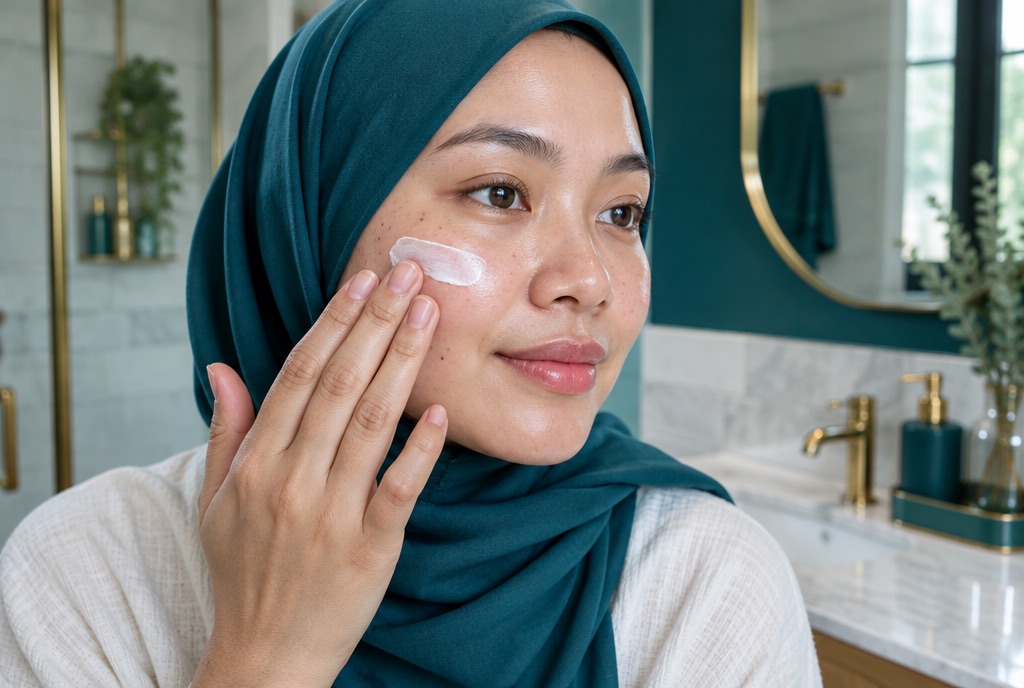
After a peel:
Contact the clinic if your skin burns, itches or swells.
A peel may not be recommended if you have a history of abnormal scarring, extra colour in your scars, a skin condition or medicine that makes your skin more sensitive, or if you can’t stay out of the sun while it heals. Tell the clinician if you are pregnant or take birth control pills, as both can raise the risk of uneven pigmentation.
If you have had cold sores, a peel can trigger an outbreak, and medicine may be prescribed to reduce that chance. Wait until any sunburn, open sore or skin infection has healed. Don’t try a strong home peel instead: some peels sold for home use have caused serious injuries, and the US Food and Drug Administration (FDA) advises using a chemical peel only under the supervision of a licensed, trained provider.
Chemical peel cost depends on the depth and type of peel, the area treated, any skin preparation, the aftercare, and whether a series of sessions is recommended.
When you compare a chemical peel price or quote, ask what it includes: the assessment, the treatment itself, and any follow-up visits.
It can make mild depressed acne scars less noticeable by helping the skin produce collagen, and it may help with dark marks. Deep scars don’t respond well to peels, so find out first whether your marks are pigment, texture change or both.
It depends on the cause of your sensitivity. Tell the clinician about any skin condition or medicine that makes your skin more sensitive, because it may make a peel unsuitable. A gentler option or a delay may be better if your skin is currently irritated.
After a light peel, redness is usually followed by scaling for 3 to 7 days, with healing in 1 to 7 days. A medium peel takes 7 to 14 days to heal and a deep peel 14 to 21 days. Your clinician should explain the range for the peel proposed to you.
Keep out of the sun as much as possible while your skin heals, and avoid tanning. After a medium or deep peel, sun avoidance is stricter. Once healed, apply sunscreen every day to protect your skin and your results.
It depends on whether the main issue is acne, a surface mark, deeper pigment or scarring. Both need extra care in darker skin and melasma, so let an assessment guide the choice.
No. Most results fade over time because skin continues to age, and new sun damage or breakouts can bring new marks. Daily sunscreen and suitable skin care help you keep the improvement.
A chemical peel may be useful when the peel depth matches your concern and your skin. Bring your current skincare list, the medicines you take and your questions about downtime. If you are considering a chemical peel in Malaysia, book a skin assessment at Westwood Clinic to talk through suitable options and the aftercare involved.
Not sure which option suits you?
Talk it through at a private assessment with our team.