
Hair
Women's health
Men's health
Wellness
Hair
Women's health
Men's health
Wellness
Quick answer
The pico laser side effects you’re most likely to read about are redness, swelling and treated spots that crust or darken for a while before they fade. After pigment laser treatment, the treated area can stay red, swollen or bruised for several days, followed by slight crusting.
Less often, laser treatment can leave darker or, more rarely, lighter patches, and scarring is very rare. Darker skin is more prone to dark marks after laser treatment, and results depend largely on the skill of the person doing your pico laser treatment.
Below is an honest list of what can happen, who needs extra care, how to lower your risk before you book, and when to get in touch with the clinic.
Pico laser, or picosecond laser, delivers laser energy in extremely short pulses, measured in picoseconds (trillionths of a second). It’s used mainly for pigmentation such as dark spots, and also for acne scars.
In plain terms, pigment lasers work by breaking pigment into tiny particles, which the body’s immune system then clears away over time.
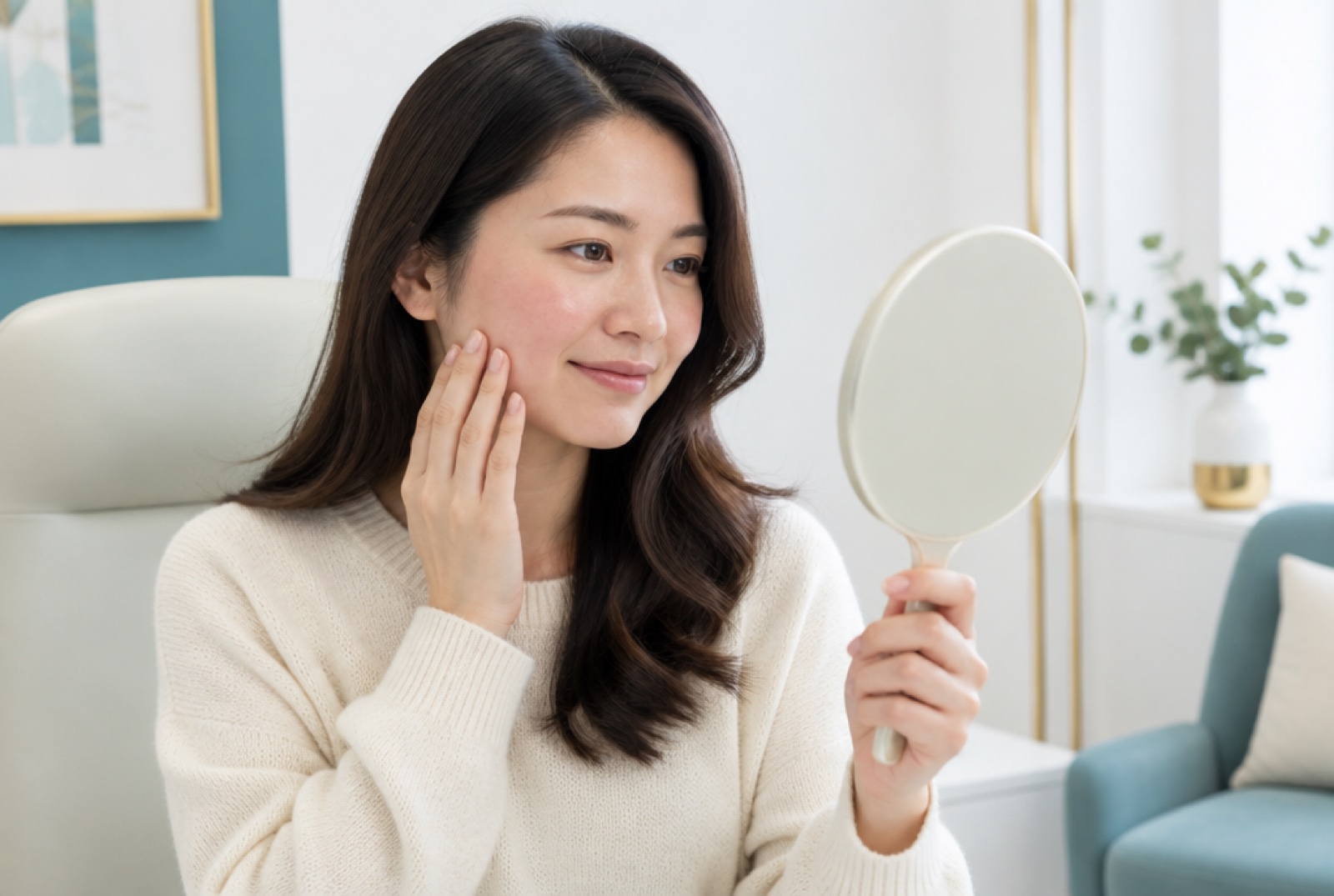
The side effects you’re most likely to notice are redness and swelling, spots that darken or crust before fading, skin that feels sensitive, and some dryness. Most of these settle as the skin heals.
1. Redness and swelling After pigment laser treatment, the treated area can look red and swollen, and sometimes bruised, for several days. This is an expected reaction rather than a sign that something has gone wrong. What helps: keep perfumes, retinoids and other possible irritants off the treated area, and follow the aftercare you were given.
2. Treated spots that darken or crust Lasers can cause crusting or temporary darkening of age spots, and these side effects tend to fade quickly. So a spot can look darker for a while before it fades. What helps: leave the crusts alone. Don’t scratch or pick at them, and protect the area from the sun.
3. Sensitive or sunburn-like skin Straight after laser treatment, skin can feel sensitive, a bit like a sunburn. What helps: avoid products that could irritate the area, and ask your doctor what you can use to stay comfortable.
4. Dryness or peeling With some laser treatments, the skin becomes dry and peels as it heals. What helps: use the moisturiser your doctor recommends and keep up daily sun protection.
For the full day-to-day routine, see our guide to pico laser aftercare: what to do and what to avoid.
Less common side effects include pigment changes, bruising, blistering, scarring and infection. They’re not what most people should expect, but it helps to know the signs.
5. Pigment changes Laser treatment can leave darker patches (hyperpigmentation) or, more rarely, lighter patches (hypopigmentation). Darker skin tones have a greater risk of healing with darker pigmentation. Darker patches that follow an injury to the skin are sometimes called post-inflammatory hyperpigmentation.
6. Bruising Aspirin, anti-inflammatory painkillers and herbal supplements raise the risk of bruising. Tell your doctor about everything you take before treatment, and ask before stopping anything, especially a prescribed medicine.
7. Blistering Depending on the treatment, laser-treated skin can blister. If you notice blisters, contact the clinic rather than treating them yourself.
8. Scarring Scarring after laser treatment is very rare. Scratching or picking at skin that crusts can cause scarring, so let crusts come off on their own.
9. Infection Picking at crusted skin can also lead to infection. Signs to watch for include skin that is red, swollen, hot or getting more painful, or pus coming out. If you notice any of these, contact the clinic.
Not sure which option suits you?
Talk it through at a private assessment with our team.
Most common side effects settle as the skin heals, but how long they last depends on the type of treatment, the area treated and your skin. Ask your doctor what to expect for your session.
After a pigment laser, treated areas can be red, swollen or bruised for several days, followed by slight crusting. Crusting and temporary darkening of age spots tend to fade quickly. If darker patches do appear, they may need treatment, such as a lightening cream, to help them fade.
For what recovery looks like and when results tend to show, read our pico laser recovery timeline.
Yes, it can happen. Darker skin is more prone to dark marks after laser treatment, and melasma needs particularly careful handling.
With melasma, lasers may cause post-procedure hyperpigmentation and scarring, so they should be used only by doctors experienced in treating melasma, together with medicines applied to the skin. Some melasma treatments can also irritate darker skin and make melasma darker. Treatments can’t make melasma go away forever, and it commonly comes back when skin is in the sun without protection.
What lowers the risk:
Avoiding sun damage is one of the most important ways to prevent and reduce hyperpigmentation, with or without laser.
Lasers can be used on all skin types, but darker skin is more prone to burns and dark marks after laser treatment. That’s why the assessment, the settings and the experience of the person treating you matter so much.
Before laser treatment, your natural skin colour and type should be considered, to lower the risk of adding or losing pigment. If you have darker skin, ask how often the person treating you works with your skin tone and type.
If your skin is sensitive or easily irritated, mention it at your assessment, along with any reactions you’ve had to products or past treatments. For more detail, see our article on pico laser and different skin types.
Some people should wait, or talk to a doctor before booking. These include:
The more serious risks health sources describe for laser treatments are pigment changes and, very rarely, scarring. These are the ones worth taking seriously.
On cancer, the health sources we checked don’t describe skin cancer as a side effect of laser pigment treatment. The cancer-related safety step that matters is different: what looks like an age spot could be a skin cancer, and removing a skin cancer the way you would an age spot can allow it to grow and possibly spread. So get any new or changing spot checked by a doctor before it’s lasered.
Protective eyewear is standard during laser treatments. For laser hair removal, for example, everyone in the room wears protective glasses or goggles during the procedure.
Whether an area close to the eyes can be treated is for your doctor to judge at your assessment.
You can lower your risk by choosing carefully and preparing your skin. Use this checklist wherever you go:
After your session, follow the aftercare instructions you’re given.
Contact the clinic that treated you, or a doctor, if you notice:
Don’t try to treat it yourself with strong products or home remedies. Let a doctor look at it first.
Pico laser is a medical procedure with known side effects, and the common ones, such as redness, swelling and crusting, settle as the skin heals. Pigment changes are the main risk to take seriously, especially in darker skin. A proper skin assessment and the skill of the person treating you matter most.
After a pigment laser, treated areas can be red, swollen or bruised for several days, followed by slight crusting. It varies with your skin, the area and the type of treatment. Our recovery guide, linked above, covers what to expect in more detail.
For laser treatments such as laser hair removal, many people say the pulses feel like warm pinpricks or a rubber band snapped against the skin. Numbing cream may be applied before treatment to help with discomfort. How it feels varies from person to person and from area to area.
It can. Lasers may cause post-procedure hyperpigmentation in melasma, and some treatments can irritate darker skin and make melasma darker. Melasma should be treated with lasers only by doctors experienced with it, together with medicines applied to the skin and daily sun protection.
If you’re pregnant, the advice is to wait until after your baby is born to treat melasma, as it may improve after birth. For any other pigment treatment, tell your doctor you’re pregnant or breastfeeding and ask whether to wait.
It depends on how the treatment is done. Pigment lasers can be used at lower intensity, with less downtime but more sessions, or at higher intensity, with more downtime but fewer sessions. Redness, swelling and slight crusting can show for several days, so plan around important events and ask your doctor what to expect.
That’s a personal decision, and it helps to know that the common side effects settle as the skin heals. Pigment changes are the main risk to take seriously, and darker skin and melasma need extra care. A proper skin assessment, honest questions and good sun protection before and after treatment all lower the risk. If you’re considering pico laser, book a skin assessment at Westwood Clinic and talk it through with a doctor first.
Not sure which option suits you?
Talk it through at a private assessment with our team.