
Hair
Women's health
Men's health
Wellness
Hair
Women's health
Men's health
Wellness
Quick answer
Good pico laser aftercare comes down to keeping your skin clean, cool and calm: cleanse gently, avoid heat, sweat, scrubs and strong skincare actives while it settles, and never pick at treated spots. Protect your skin from the sun every day throughout the course, and follow the specific instructions your clinic gives you. If you are planning pico laser treatment, ask before you leave what care your treated area will need.
Keep your routine simple and treat the area delicately. For the first few hours, treated skin may sting or feel warm, and it may look red or a little swollen for a few days.
Do:
Avoid picking, rubbing, heat and irritating products while your skin recovers. The aim is to leave the treated surface alone and skip anything that makes it hotter, sting more or rub.
| Do | Don’t |
|---|---|
| Keep cleansing and moisturising gentle, as advised. | Scrub, use a cleansing brush, or pull off flakes or crusts. |
| Choose shade and cover up outdoors. | Sunbathe or let the treated area get a tan or sunburn. |
| Check with your clinic before returning to workouts. | Rush back to the sauna, steam room, hot showers on the face or strenuous exercise. |
| Let your clinic guide your skincare restart. | Apply retinoids, acids, fragranced products or anything that stings. |
| Wait until the area has healed and your clinic agrees. | Go swimming, or book another facial, peel or laser procedure. |
Picking or scratching at crusts can lead to infection or leave a scar, so let them come away on their own. NHS laser aftercare leaflets also advise avoiding swimming, saunas and steam rooms until the treated area has healed. If a spot looks open, blisters or has been dressed, ask for instructions specific to that area.
Usually, yes, but ask your clinic when to start and what to use. Once cleared, use lukewarm water and a mild, fragrance-free cleanser, wash with your fingertips and pat dry with a clean, soft towel.
Avoid hot water on your face and skip exfoliating cleansers until the skin has fully healed. If water or cleanser stings, stop rubbing and ask your clinic how to clean the area.
Not sure which option suits you?
Talk it through at a private assessment with our team.
Usually after a day or two, once redness has settled and your clinic says it’s fine. Some laser aftercare guidance asks you to skip makeup for the first couple of days to avoid rubbing the skin, and longer if there is crusting or broken skin.
Makeup means applying and removing a product, so think about friction as well as the formula. When you restart, use clean applicators, avoid rubbing and remove it gently. If makeup stings or catches on flakes, leave it off and check with your clinic. Don’t cover a blister or a weeping area just to hide it; contact your clinic instead.
Pause strenuous exercise, hot baths, saunas and anything else that makes your face hot or flushed until your clinic says you can resume. For the sun, make shade, a hat and broad-spectrum sunscreen part of every day once sunscreen can go on the treated skin.
A hard gym session, hot yoga or a sauna adds heat and rubbing while the skin is tender. Keep to gentler activity for now, avoid wiping your face repeatedly, and ask your clinic if you’re unsure about your usual routine.
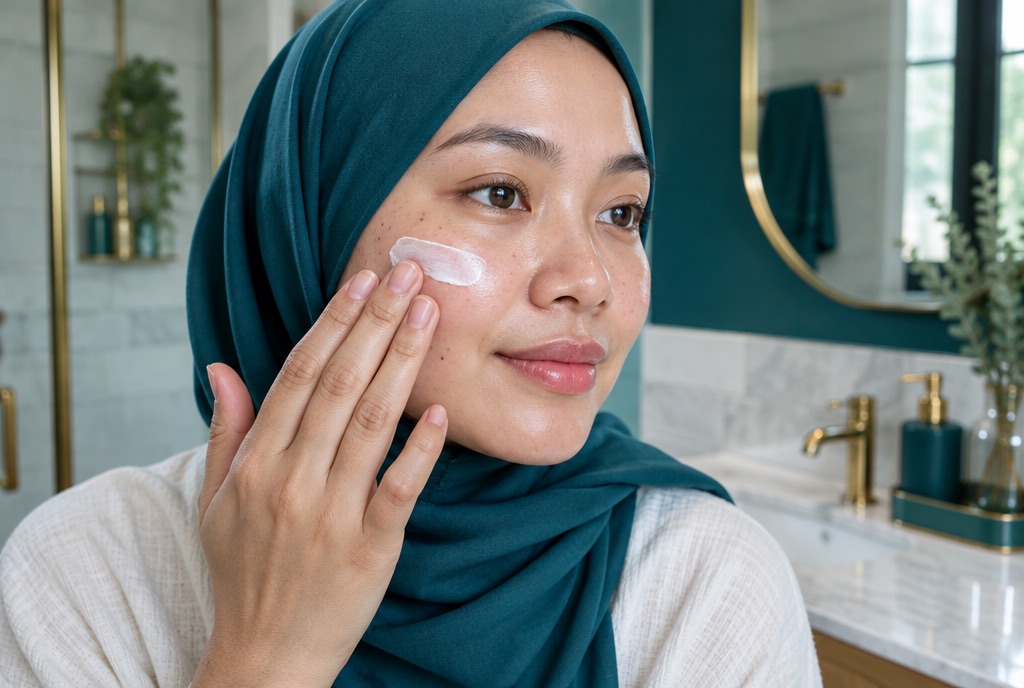
Sun protection matters most when you’re treating pigmentation. Laser-treated skin can develop darker patches (post-inflammatory hyperpigmentation, or PIH) or, less often, lighter patches (hypopigmentation), and darkening is more likely in people who tan easily or have darker skin. Sunlight also makes the skin produce more pigment, which can darken melasma and existing dark spots. That makes sun habits part of your care throughout the course, not just on appointment day.
Once your clinic says the treated surface is ready, choose a broad-spectrum sunscreen with SPF 30 or higher. Reapply at least every two hours when you’re outdoors, and after sweating. In Malaysia, that includes the short walk to lunch, not only a beach day. A wide-brimmed hat and shade add protection, and if you have melasma, ask whether a tinted sunscreen suits you.
Restart retinol, other retinoids, vitamin C, AHA, BHA and exfoliating products only when the treated skin has settled and your doctor says they fit your aftercare plan. Bring them back one at a time rather than all at once.
A product that felt fine before treatment may sting on sensitised skin, and a product that burns or stings is irritating your skin, which can make dark spots darker. Check the labels on toners, brightening serums and acne washes, since these often contain acids or retinoids. A fragrance-free moisturiser and a gentle cleanser are simpler while your skin barrier feels unsettled. If your clinician prescribed a product, ask whether to continue, pause or adjust it.
Treated spots can look temporarily darker or form light crusting after laser treatment, and this usually fades on its own. Don’t pick at it, and tell your clinic if the change is spreading, painful or not what they described for your treatment.
Not every darker patch is a treated spot passing through a normal stage. New or spreading darkness can be PIH, and a pale patch may mean pigment loss, so both are worth reporting. How your skin looks depends on the mark and the treatment used, so compare it with the guidance you were given, not with someone else’s photos. For what to expect day by day, read our pico laser recovery timeline.
Keep up the gentle routine and daily sun protection your clinic recommends, and tell them how your skin reacted before your next session. Don’t add a peel, facial or strong new active halfway through the course without checking first.

Mention any lingering redness, darkening, light patches, unusual sensitivity or a new product you’ve started. This helps your clinician decide whether your skin is ready for the next step, and a session may need to wait if pigmentation has increased.
Keep using sunscreen after the redness fades and after your course ends. Dark spots and melasma can come back, and sun protection helps prevent that, so treat it as an everyday habit rather than a one-evening checklist.
Contact your clinic or doctor promptly if you develop a blister, a scab you didn’t expect, oozing, worsening pain, increasing heat or swelling, spreading redness, or a patch that becomes much darker or noticeably lighter. Ask about anything that feels different from what your clinician told you to expect.
Some stinging, warmth, redness and mild swelling are common after laser treatment, and treated marks may darken or crust. What matters is whether a reaction is getting worse, spreading or worrying you. If a blister or scab forms, leave it intact and call for advice rather than scrubbing it or trying a new product. If you can’t reach your clinic and symptoms are getting worse quickly, seek medical care.
Ask the clinic that treated you. Many people can wash gently, but some laser aftercare plans delay washing a tender or dressed area. Once you’re cleared, use lukewarm water, a mild fragrance-free cleanser and a light touch, then pat dry.
Usually after a day or two, once redness settles and your clinic agrees. Avoid makeup on broken, blistered or crusted areas, and keep application and removal gentle when you restart.
Hold off on strenuous workouts, hot yoga and saunas that bring on heavy sweating or flushing until your clinic says you can resume. Light activity that doesn’t heat your face is usually easier on the skin.
Ask your treating clinician, especially if you’ve been given medicines or specific restrictions. Laser aftercare advice often asks you to avoid things that make your face flush while it heals, so if alcohol tends to make you flush, it makes sense to wait until the skin has settled.
Ask your clinic when to restart each product, particularly retinol, retinoids, vitamin C and exfoliating AHA or BHA. Reintroduce them one at a time once the skin has settled, and stop any product that stings.
Follow your clinic’s plan, protect your skin from the sun every day and tell your clinician if pigmentation returns or changes. Dark spots and melasma can come back, and daily sun protection helps prevent that.
Keep it gentle, leave treated spots alone and protect your skin from the sun every day. Those three rules cover most daily decisions, but your clinic’s instructions decide the details for your skin. If you’re considering pico laser at Westwood Clinic or want help planning your aftercare, book an assessment and bring a list of the skincare you use now.
Not sure which option suits you?
Talk it through at a private assessment with our team.