
Hair
Women's health
Men's health
Wellness
Hair
Women's health
Men's health
Wellness
Quick answer
No food has been shown to tighten vaginal muscles or tissue. A balanced diet supports general health, but if you’re concerned about a looser feeling, pelvic floor exercises and an assessment of your symptoms are more useful places to start.
A change in sensation can happen after childbirth. Pregnancy and vaginal birth can stretch and weaken the pelvic floor muscles, which support the bladder and other pelvic organs. Recovery differs from person to person, so there is no single timetable for feeling like yourself again. If you’re planning your recovery, you can also read about postpartum care and support.
Age can bring changes too. Around menopause, lower oestrogen levels can make the vaginal lining thinner, drier and less elastic. Dryness or discomfort may feel like a change in “tightness”, even when pelvic floor strength is not the only issue.
A looser feeling does not tell you exactly what has changed. If it bothers you, or comes with leaking, pain or pressure, an assessment can help identify what needs attention.
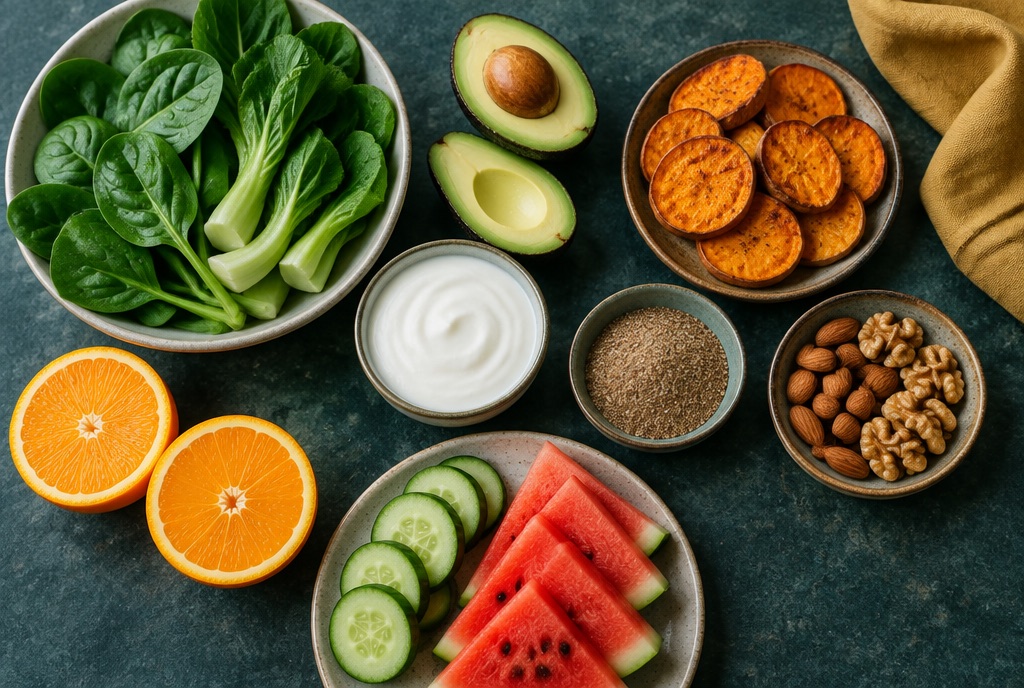
People searching for how to tighten your vagina naturally with food often find lists that promise firmness. These foods can be part of a nourishing diet, but none is a vaginal tightening treatment. Choose foods you enjoy and can eat regularly rather than relying on one ingredient to change a symptom.
Spinach, sawi and other leafy greens add fibre and a range of vitamins and minerals to meals. They are useful in a varied diet, especially alongside other vegetables and sources of protein. They will not strengthen pelvic floor muscles on their own.
Avocado provides unsaturated fat and fibre. Add it to a meal if you enjoy it, but there is no reason to eat it specifically for vaginal firmness. A healthy eating pattern matters more than a single “superfood”.
Sweet potato is a source of fibre and beta-carotene, which the body can convert to vitamin A. It can be one of several vegetables in your diet. Eating more of it will not reverse changes caused by childbirth or menopause.
Flaxseed contains fibre and a plant-based omega-3 fat called ALA. Ground flaxseed can be stirred into porridge or plain yoghurt. Claims that it restores vaginal elasticity go further than the evidence supports.
Some plain yoghurts contain live cultures. That does not mean eating yoghurt will treat a vaginal infection or reliably change the vaginal microbiome. If you have unusual discharge, itching or an unpleasant smell, seek an assessment instead of trying to treat it with food.
Nuts and seeds offer fats, protein and other nutrients, depending on the type. A small handful can be a convenient part of a varied diet. They do not act directly on vaginal muscles or tissue.
Oranges and other citrus fruits contain vitamin C, which the body needs to make collagen. This is a general nutritional role; eating citrus fruit has not been shown to tighten the vagina. Whole fruit is an easy option if you like it.
Cucumber, watermelon and other water-rich foods contribute to your fluid intake. Drinking water throughout the day matters as well. Hydration supports normal body functions, but it cannot correct a weak pelvic floor.
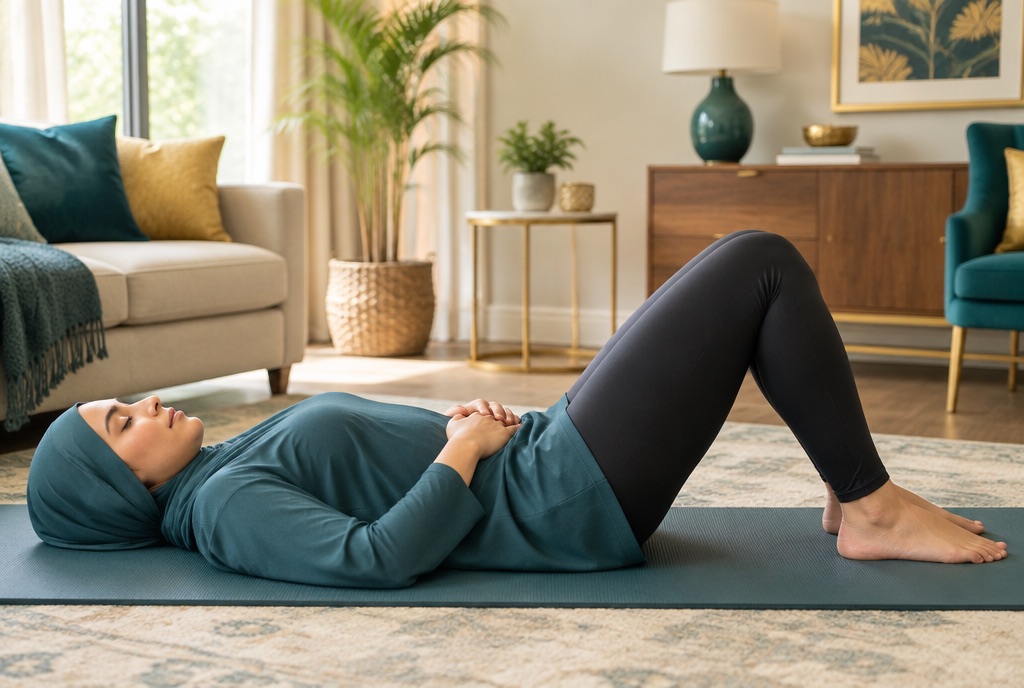
Pelvic floor exercises, often called Kegels, strengthen the muscles around the openings of the bladder, vagina and bowel. Regular practice may improve muscle strength and bladder control. They are more relevant to a looser feeling linked to muscle weakness than any food or drink.
To find the muscles, imagine gently stopping yourself from passing wind and lifting around the vagina at the same time. Squeeze and lift without holding your breath or tightening your stomach, buttocks or thighs. Hold briefly, then relax fully. Repeat a few gentle squeezes, followed by a few quicker ones, and build up gradually.
Do the exercises little and often rather than squeezing as hard as you can. It can take up to three months of regular practice before you notice a difference, and it varies from person to person. If you can’t find the right muscles or your symptoms aren’t improving, a women’s health physiotherapist can check your technique and advise you. If the exercises hurt, stop and speak to a doctor.
These exercises are useful, but they are not the answer to every symptom. Pain, dryness or a heavy feeling may need a different assessment. You do not have to work out the cause by yourself before asking for help.
Not sure which option suits you?
Talk it through at a private assessment with our team.
Avoid putting herbs, ice, alum (tawas), vinegar or “tightening sticks” inside the vagina. These products and practices have no established role in strengthening pelvic floor muscles. They may irritate delicate tissue, and products used inside the vagina can disturb its normal balance.
The vagina does not need an internal wash; its natural discharge keeps it clean. Douching can wash away the protective bacteria and increase the risk of irritation or infection. If something you have used causes burning, pain or unusual discharge, stop using it and speak with a healthcare professional.
Consider an assessment if the looser feeling persists and affects your confidence or intimacy. Make an appointment if you leak urine when coughing or laughing, feel heaviness or dragging in the pelvis, or have pain or unusual discharge. These symptoms can have different causes, so a description found online cannot tell you which applies to you.
A clinic can discuss your symptoms, assess you and explain the medical options that may be relevant. You can read about Westwood Clinic’s vaginal health assessment and options before deciding whether to book. An assessment is also a chance to ask what is causing the change you feel, what you can try first and when to follow up.
No food has been shown to tighten vaginal muscles or tissue. Foods such as vegetables, fruit, yoghurt, nuts and seeds can contribute to a balanced diet, but they cannot replace pelvic floor training or an assessment of persistent symptoms.
It can take up to three months of regular, correctly performed exercises to notice improvement. Progress varies, and doing more forceful squeezes is not necessarily better. A women’s health physiotherapist can help if you are unsure whether you are using the right muscles.
A change in sensation after childbirth can happen as the body recovers. Pelvic floor muscles may have been stretched or weakened during pregnancy and birth. You can ask for help at any point if the change worries you, particularly if you also have leaking, heaviness or pain.
Do not put alum, herbs or other “tightening” products inside the vagina. They have no established benefit for pelvic floor strength and may cause irritation or disturb the vagina’s natural balance. Speak with a healthcare professional if you have symptoms after using one.
Seek an assessment if the feeling persists or affects your daily life or intimacy. Leaking urine, pelvic heaviness, pain or unusual discharge are also reasons to make an appointment. You can discuss the symptoms without having to decide for yourself whether they are “normal”.
Food can support your overall health, but it cannot tighten the vagina. Gentle, regular pelvic floor exercises may help when muscle weakness is involved, while other symptoms deserve their own assessment. Avoid products that promise a quick change, especially anything inserted into the vagina. If you would like to understand what is behind the change you feel, book a consultation at Westwood Clinic for a personal assessment.
Not sure which option suits you?
Talk it through at a private assessment with our team.