
Hair
Women's health
Men's health
Wellness
Hair
Women's health
Men's health
Wellness
Quick answer
An aesthetic treatment is a cosmetic procedure that changes how your skin, hair or face look, and many common options don’t involve surgery. This guide covers five of them: pico laser, HIFU, laser hair removal, platelet-rich plasma (PRP) and microneedling. What matters most is matching the treatment to your concern and checking who will do it.
An aesthetic treatment is a procedure done to improve appearance rather than to treat an illness. It might target pigmentation, acne scars, sagging skin, unwanted hair or wrinkles.
The Ministry of Health Malaysia groups aesthetic medical procedures into three types:
Some procedures aren’t allowed in Malaysia at all. The Ministry also says aesthetic medical procedures must be carried out by a registered medical practitioner holding a Letter of Credentialing and Privileging (LCP), at premises registered with the Ministry of Health.

There are no reliable local figures on which treatments are most popular, so here are five common non-surgical options. Here’s what each one is, what it may help with and what’s worth knowing before you book.
What it is: Pico laser is a laser treatment that delivers energy in very short pulses. It is mostly used for pigment concerns such as dark spots, and sometimes for acne scars.
What it may help with: Lasers in general are used to reduce age spots, scars including acne scars, melasma and wrinkles.
Worth knowing: Lasers can be used on all skin types, but darker skin is more prone to burns and dark marks after laser treatment. Avoid getting a tan beforehand, protect your skin from the sun, and tell the doctor about every skin product, medicine and supplement you use, because some can make skin more sensitive to laser light. Results depend largely on the skill of the person doing the procedure. You can read more about pico laser at Westwood Clinic. If you’re weighing it up against a skin-tightening option, see HIFU or pico laser: which suits your concern.
What it is: HIFU is a non-invasive treatment that uses focused ultrasound to target deeper layers beneath the skin and stimulate new collagen.
What it may help with: People with mild to moderate loose skin on the face and neck tend to be good candidates. Most people see the full effect about three to six months after the procedure.
Worth knowing: Non-surgical skin tightening gives modest lifting and tightening, and a surgical facelift lifts more. If you have a lot of sagging skin, it may not help much. Skin tightening isn’t right for anyone who is pregnant, has a skin infection or takes certain medicines. People who are breastfeeding or have an autoimmune disease such as lupus or rheumatoid arthritis may not be good candidates and should speak to their doctor first. Side effects can include minimal bruising, tenderness and slight redness. Find out more about HIFU treatment.
What it is: Heat from a laser is absorbed by the pigment in the hair and passed to the hair follicles, which damages them.
What it may help with: Reducing unwanted hair on the face or body. It works most effectively on thick, dark hair and light skin, and may not work as well on dark skin or on blonde, grey, white or red hair.
Worth knowing: Most people need several treatments. Possible side effects include blisters, burns, scars and skin that turns darker or lighter than the skin around it. Avoid tanning and stay out of the sun as much as you can in the weeks before treatment, and talk to your doctor first if you’re pregnant or taking certain medicines such as acne treatments.
Does laser hair removal last for good? No. Results last longer than shaving or waxing, but some hair grows back, usually lighter and thinner. See laser hair removal at Westwood Clinic.
What it is: A sample of your own blood is processed to concentrate the platelets in the plasma, which is then injected back into the treatment area.
What it may help with: PRP is used for some skin conditions and for hair loss.
Worth knowing: Research on PRP is still at a fairly early stage and results are mixed, partly because there’s no standard way to prepare it. Some people benefit and others don’t, so no one can predict for certain that it will work for you. You may be asked to stop blood thinners or anti-inflammatory painkillers first, and people with certain blood conditions may not be suitable. Risks are very few, including a remote chance of contamination if the blood isn’t kept sterile. Learn more about PRP treatment.
What it is: Fine needles make tiny holes in the top layer of the skin, which prompts the skin to make more collagen. It’s sometimes called collagen induction therapy.
What it may help with: Acne scars, scars from injury or surgery, wrinkles and stretch marks.
Worth knowing: You’ll probably need several treatments. Results appear gradually, full results take several months, and they fade over time as the body loses collagen. Straight afterwards, skin may look red (or darker on darker skin tones) and feel sunburnt for a few days to a week. Avoid it if you heal slowly or poorly, have or have had a keloid scar, have a weakened immune system or are being treated for skin cancer in that area. Treatment is delayed if you have a tan. At-home devices that pierce the skin can cause infection or scarring. Read more about microneedling treatment.
Each treatment works differently and suits different concerns. This table sums up the basics:
| Treatment | Often used for | What to expect | Worth knowing |
|---|---|---|---|
| Pico laser | Pigment such as dark spots, acne scars | A laser session; avoid a tan beforehand | Darker skin is more prone to burns and dark marks after laser |
| HIFU | Mild to moderate loose skin on the face and neck | Results build over about three to six months | Modest lift compared with a facelift; not for pregnancy |
| Laser hair removal | Unwanted hair | Several treatments are usually needed | Some hair grows back; works less well on dark skin or light-coloured hair |
| PRP | Some skin conditions, hair loss | Your own blood is processed and injected | Results are mixed and vary from person to person |
| Microneedling | Acne scars, other scars, wrinkles, stretch marks | Redness or darkening for a few days to a week | Results appear gradually and fade as collagen is lost |
Not sure which option suits you?
Talk it through at a private assessment with our team.
Start with your concern, not the treatment, and have a consultation with the person who will treat you before you pay anything. A short checklist helps:
If you’d like help with the clinic side of the decision, our guide on how to choose an aesthetic clinic in Malaysia covers what to look for. And if you’re not sure who you should see in the first place, read dermatologist, aesthetic doctor or GP: who does what.
Every cosmetic procedure carries some risk, including non-surgical ones. Knowing the risks and choosing carefully are the main ways to lower them.
With microneedling, for example, the risk of problems such as infection, scarring or long-lasting skin discolouration is higher when the person doing the treatment lacks medical training. With lasers, results depend largely on the skill of the person performing the procedure. Everyone responds differently, so ask about your own risks at the consultation.
It depends on the treatment and on you. Many results fade over time or need follow-up treatment.
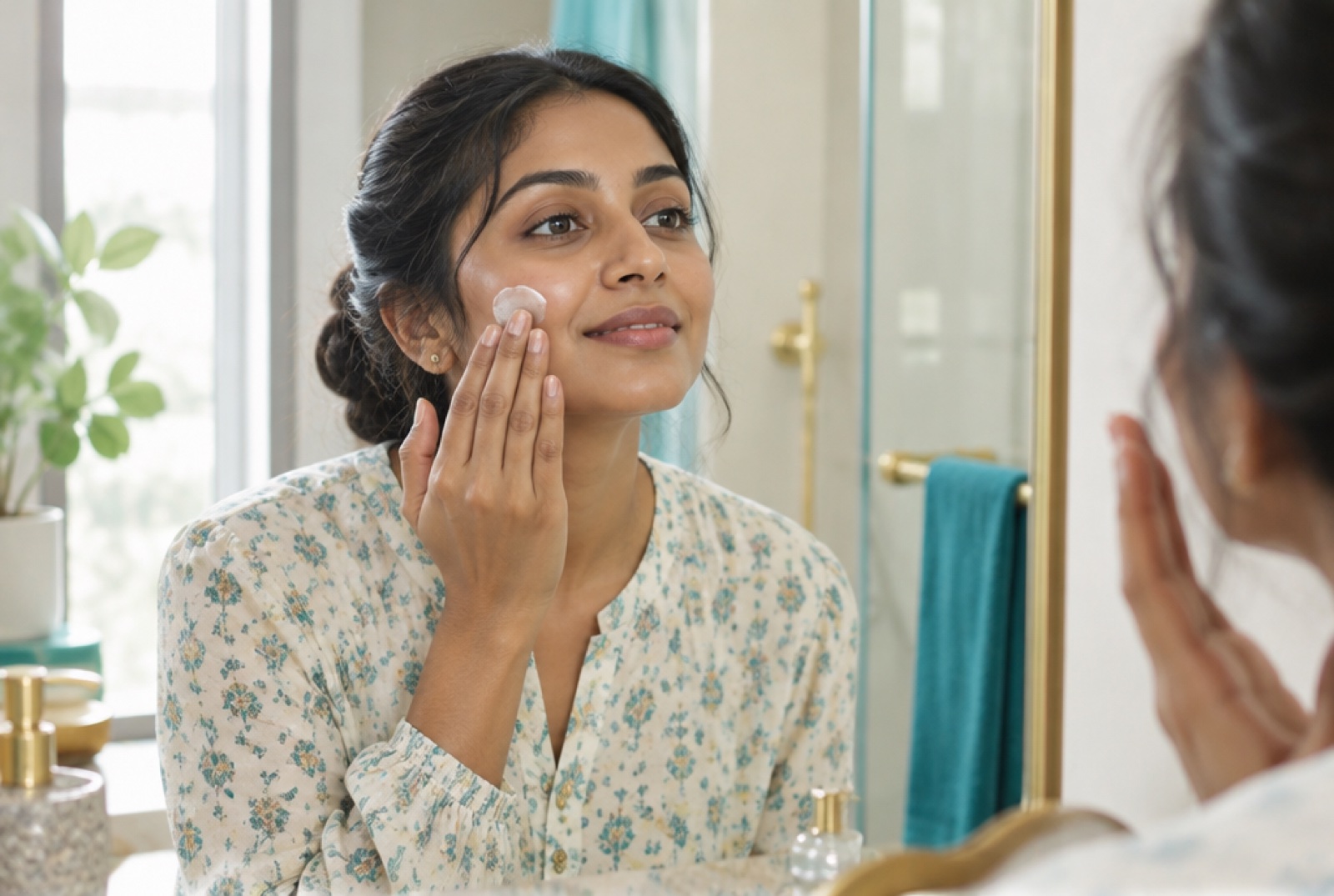
HIFU results build gradually, with most people seeing the full effect about three to six months later, and some people get more benefit from further treatments. Laser hair removal lasts longer than shaving or waxing, but some hair grows back. Microneedling results appear over several months and fade as the body loses collagen; protecting your skin from the sun and not smoking can help slow that loss. PRP results take a few weeks to show and vary from person to person, and some people need more than one treatment.
The cost depends on the treatment, the area being treated, how many sessions the doctor advises, the consultation and any aftercare. Before treatment, ask exactly what the price includes and whether further treatment would cost extra.
An aesthetic treatment is a procedure that aims to improve how your skin, hair or face look, rather than to treat an illness. In Malaysia, the Ministry of Health groups these procedures as non-invasive, minimally invasive and invasive. Some common options, such as a superficial chemical peel or IPL, are in the non-invasive group.
There are no reliable local figures that rank aesthetic treatments by popularity. Pico laser, HIFU, laser hair removal, PRP and microneedling are common non-surgical options, and this guide explains each one. Which one makes sense depends on your concern.
Most don’t. Laser hair removal lasts longer than shaving or waxing but some hair grows back, and microneedling results fade as the body loses collagen. Some treatments, such as microneedling, may need an occasional maintenance session to keep results.
It depends on the treatment and on you. Laser hair removal can feel like a series of stings, microneedling can leave skin feeling sunburnt for a few days, and HIFU can cause some tenderness. Ask at your consultation whether you’ll be numbed and what to expect afterwards.
Sometimes, but a doctor should decide after assessing your skin. For example, microneedling is sometimes combined with PRP. Whether a combination suits you depends on your concern, your skin and how much recovery time you have.
Start with a doctor’s assessment of your concern. A dark spot, a scar and loose skin need very different approaches, and what looks like an age spot can occasionally be skin cancer, so a spot should be checked by a doctor before any cosmetic treatment. Ask about the realistic results, risks and recovery for each option before you decide.
Start with your concern rather than the treatment you’ve seen advertised. Check the procedure, the practitioner and the premises, ask about risks and recovery, and give yourself time to decide. If you’d like a professional view, book a consultation at Westwood Clinic to have your concern assessed before you choose any treatment.
Not sure which option suits you?
Talk it through at a private assessment with our team.