
Hair
Women's health
Men's health
Wellness
Hair
Women's health
Men's health
Wellness
Quick answer
Microneedling uses fine needles to make tiny punctures that prompt the skin to make new collagen; RF microneedling adds radiofrequency heat through the needles, which can increase that collagen response. Which one suits you depends on your skin concern, your medical history and how much recovery you can plan for, so a doctor’s assessment comes first.
Microneedling is a minimally invasive procedure that uses thin needles to make tiny holes in the top layer of the skin. The skin’s healing response to these small wounds produces more collagen and elastin, which is why the treatment is also called collagen induction therapy.
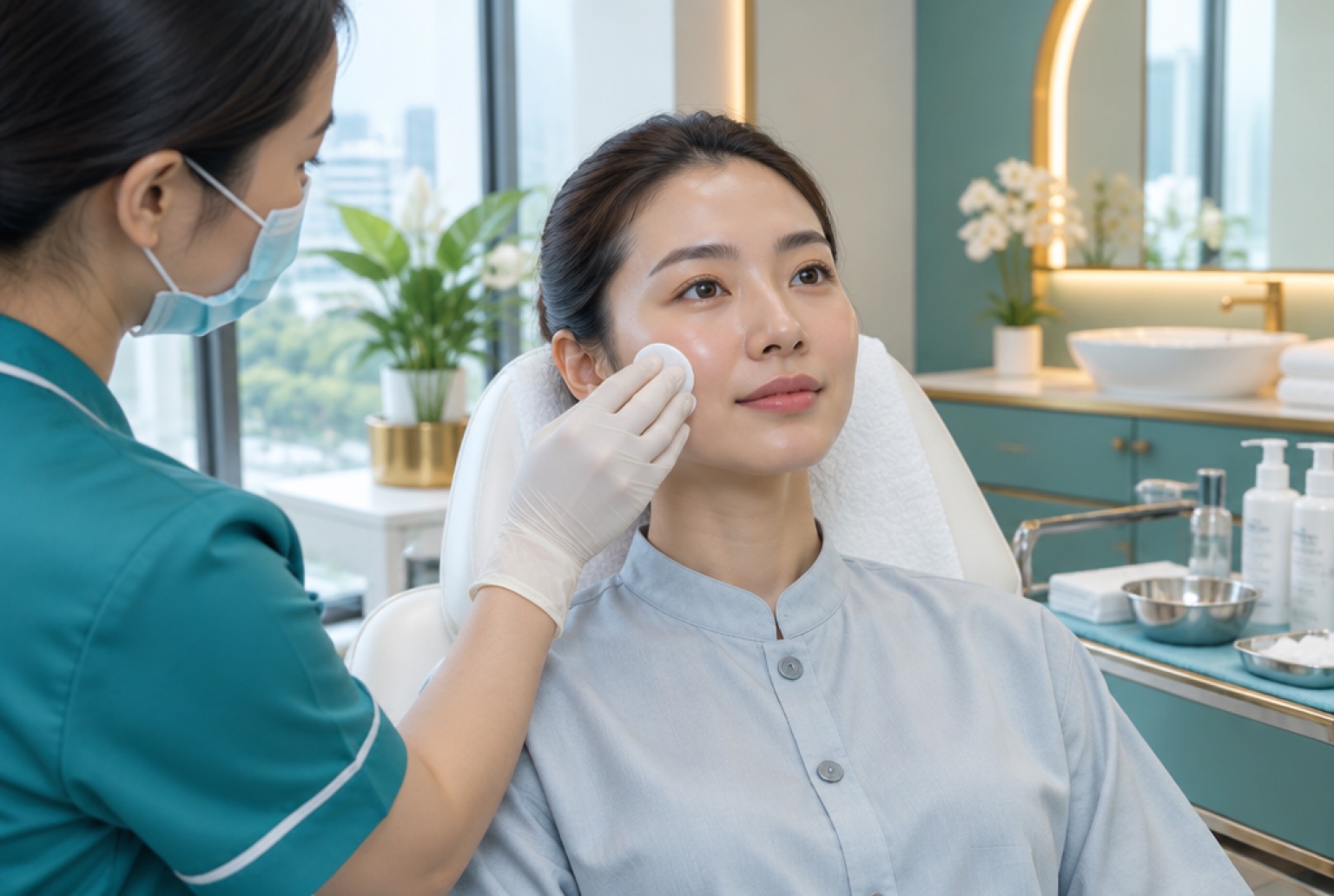
Results build gradually as your body makes collagen, rather than appearing the moment you leave the treatment room. In a clinic, the needles are on either a hand-held roller or an electric pen-type device.
A clinic procedure is different from rolling a home dermaroller across your face. Home microneedling products and spa microneedling are not meant to puncture the skin, and they give less noticeable results. A home product that does pierce the skin can lead to infection or scarring.
RF (radiofrequency) microneedling is a type of microneedling that adds heat, which travels down the needles into the skin. According to the American Academy of Dermatology (AAD), adding heat can increase the body’s ability to produce collagen.
The extra heat doesn’t make RF the right choice for every face. Heat also brings its own risks, so ask the doctor why it is being suggested for your concern and what it would change about your recovery.
The AAD notes that some small studies suggest RF microneedling can give results similar to a laser with less downtime and fewer possible side effects. Those studies included only a small number of people with darker skin tones, and more research is needed, so treat this as an early finding rather than a settled fact.
Both are used for similar texture and collagen-related concerns. The practical difference is the added heat, not a promise that RF will outperform plain microneedling.
| Microneedling | RF microneedling | |
|---|---|---|
| How it works | Fine needles make tiny punctures that trigger collagen and elastin | The needles also deliver radiofrequency heat to boost collagen production |
| Common concerns | Acne scars, enlarged pores, uneven texture and tone, fine lines, loose or crepey skin | Similar concerns, with the added heat aimed at a stronger collagen response |
| Recovery | Redness and a sunburn-like feeling, usually gone in a few days to a week | Expect similar reactions; ask how the heat changes your recovery |
| Skin tone | Used on all skin tones; colour changes are a possible side effect | Used on all skin tones; research in darker skin tones is still limited |
| Extra risk | Bruising, infection, scarring or long-lasting discoloration | Heat-based RF treatments can, rarely, cause burns |
RF microneedling is listed among Westwood’s face lifting and contouring treatments, if you want to see where it sits.
Use the table as a starting point for your assessment. Ask which part of your concern the proposed procedure is expected to improve, and what a realistic change would look like for you.
Not sure which option suits you?
Talk it through at a private assessment with our team.
Dermatologists use microneedling to make a range of texture and tone concerns less noticeable. It works gradually and has limits, so it suits people who can wait for results over a series of sessions.
Concerns it is used for include:
Results build gradually, usually need a series of sessions, and fade over time as your body loses collagen. If your main concern is marked sagging, ask your doctor whether another treatment would suit you better. You can read more about microneedling treatment at Westwood Clinic before your assessment; bring your main concern rather than arriving set on one procedure.
Expect redness (or darker shades on darker skin), a sunburn-like feeling and some minor burning or swelling straight after treatment. These reactions usually settle in a few days to a week, and Cleveland Clinic says skin may be red and swollen for up to five days.
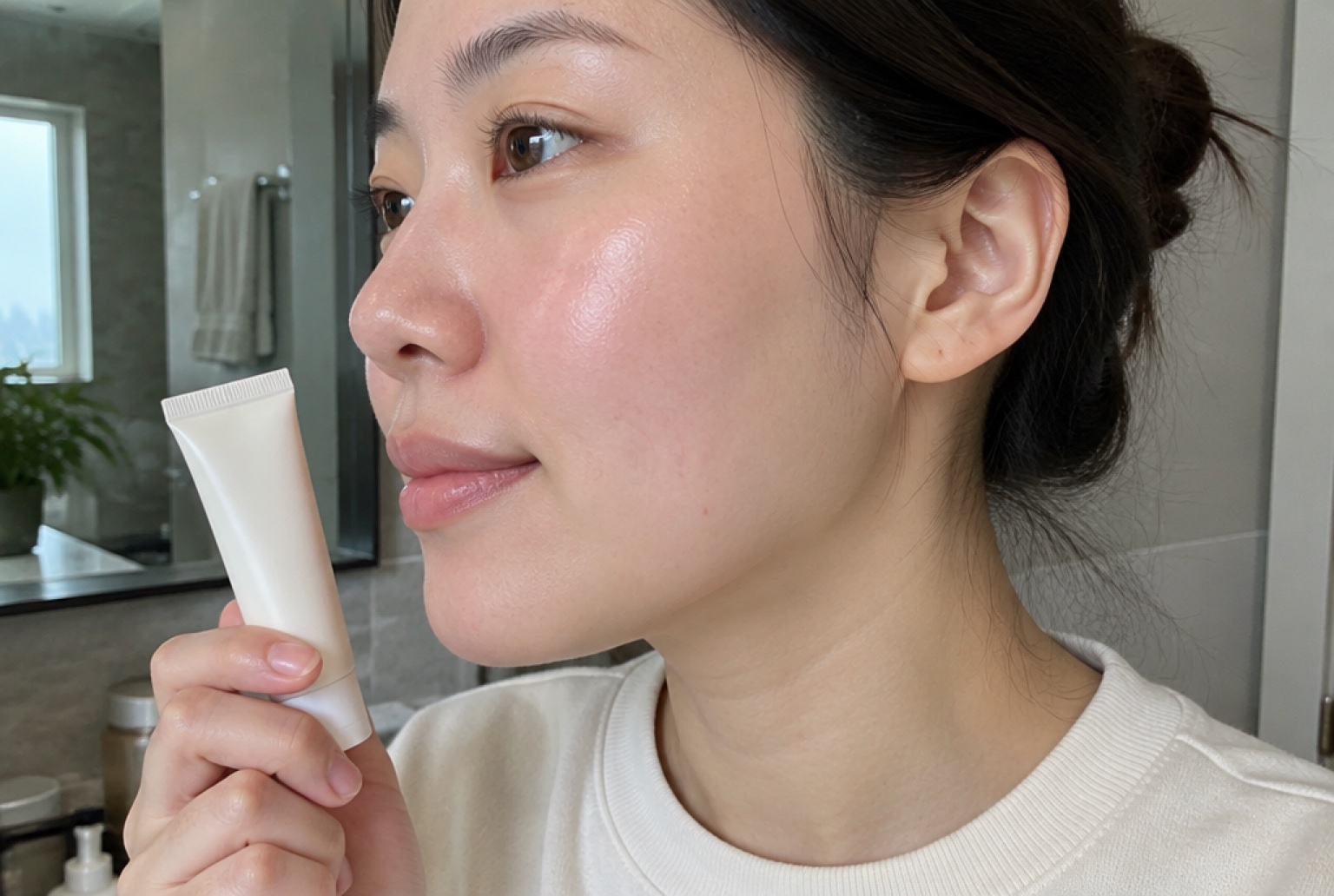
Most people can go back to work straight away, but your skin may look pink and feel tight or flaky for days or weeks afterwards. If you have a wedding, presentation or outdoor event coming up, mention it when you pick a treatment date.
The essentials for the first few days:
For RF microneedling, ask your doctor specifically how the added heat could change your recovery time.
Numbing cream is usually applied 30 to 45 minutes beforehand, so most people feel warmth or a scratching sensation rather than sharp pain. Bony areas such as the cheekbones can feel more uncomfortable, and deep microneedling may cause a little bleeding.
Possible side effects include bruising, infection, scarring and long-lasting skin discoloration. The AAD says these are more likely when the person doing the treatment lacks medical training, and following your aftercare instructions lowers the risk further.
Home microneedling carries extra risks. The AAD warns that:
Microneedling is sometimes combined with other treatments; you can read separately about how microneedling is combined with PRP.
Some health conditions rule microneedling out, while temporary skin problems mean waiting. Give your doctor a full list of your medicines and skin history before deciding.
The AAD advises against microneedling if you:
The AAD says to wait if you:
Cleveland Clinic also advises talking to your provider first if you take blood thinners or have a blood disorder, are on acne medicine, get frequent rashes or cold sores, have eczema or psoriasis, or have a mole or growth that is changing or bleeding. At Westwood Clinic, a doctor assesses every patient before any treatment is suggested.
Most people need several sessions spaced weeks apart, and results show gradually over months. Your doctor sets the plan for your concern.
As examples, the AAD says acne scar treatment often involves 3 to 5 sessions every 2 to 4 weeks, while Cleveland Clinic gives a usual spacing of 3 to 8 weeks. You may see some improvement within a few weeks, but full results usually take several months; Cleveland Clinic puts it at 3 to 6 months.
Results fade as your body loses collagen, and people lose collagen at different rates. Protecting your skin from the sun and not smoking help, and a yearly maintenance session may be suggested.
Cost depends mainly on whether you have plain or RF microneedling, the area treated and how many sessions you need. The assessment, follow-up visits and aftercare products can also affect the total.
When comparing microneedling in Malaysia, ask what the fee includes: the procedure type, the number of sessions, follow-ups and aftercare. Ask why that number of sessions is proposed, and make sure you understand the plan before you agree to it.
Numbing cream is applied first, so most people feel warmth or a scratching sensation rather than pain. Bony areas such as the cheekbones can be more uncomfortable, so tell your doctor if you’re worried about discomfort.
Acne scars are one of the main reasons dermatologists use microneedling, and it can make them less noticeable over a series of sessions. Not every scar responds the same way, so ask what change is realistic for your scars.
Neither is right for everyone. The added heat can increase collagen production, but the choice depends on your concern, your skin, the risks and the recovery time you can manage.
The AAD advises waiting 24 hours before applying makeup. Follow the instructions you’re given, and ask before putting any product on healing skin.
A pen is one type of microneedling device: an electric tool whose needles pulse up and down. The other common tool is a hand-held roller. Whether the device is a pen or a roller doesn’t tell you whether RF heat is involved, so ask what is being used.
Tell your doctor if you are pregnant or breastfeeding before any skin procedure. They can advise whether to go ahead or wait.
Microdermabrasion uses a rough-edged device to exfoliate the top layer of skin and doesn’t use needles. Microneedling goes deeper, so it may work better for problems beneath the surface such as acne scars. Lasers are another option for pigment and scars; see pico laser for pigmentation and acne scars.
Match the treatment to the concern you want to improve, and weigh the extra heat of RF against its risks. Plan for a few days of redness, and expect results to build gradually over a series of sessions. Book a skin assessment at Westwood Clinic to talk through which option suits your skin.
Not sure which option suits you?
Talk it through at a private assessment with our team.