
Hair
Women's health
Men's health
Wellness
Hair
Women's health
Men's health
Wellness
Quick answer
Cellulite is the dimpled or lumpy look of skin, usually on the thighs and buttocks. It is very common and harmless, and even very fit or lean people can have it. Some treatments can make it less noticeable for a while, but none removes it for good, and some dimpling usually returns.
Before looking into cellulite treatment, it helps to know what cellulite is, what can realistically change its look, and when a leg or skin problem is something else.
Cellulite is dimpled or bumpy skin, often described as having a cottage-cheese or orange-peel texture. Fibrous connective tissue bands (septae) tether the skin to the muscle underneath, with subcutaneous fat lying between them. As fat pushes up against the skin while the bands pull down, the surface becomes uneven.
Mild cellulite may only show when you pinch the skin or sit down; more pronounced cellulite is visible when you stand, too. It is most common on the thighs and buttocks, and it can also appear on the hips, stomach and upper arms. Cellulite does not affect your physical health, so you don’t need to see a doctor about it unless you want to explore treatment.
Cellulitis is different. Cellulitis is a skin infection, usually caused by bacteria, that makes the skin painful, hot and swollen. The area usually looks red, although this may be less obvious on brown or black skin. It needs prompt medical treatment, usually with antibiotics, not a cosmetic appointment.
Cellulite is far more common in women. Cleveland Clinic notes that 80% to 90% of women who have gone through puberty have cellulite, compared with fewer than 10% of men. Nobody knows exactly why, but a few differences may play a part.
One is where women tend to store fat: the thighs, hips and buttocks, which are common areas for cellulite. Another is the structure of the connective bands. In men, the fibres tend to crisscross; in women, they tend to run in parallel, which may show puckering more easily. Hormones are also thought to play a part. Cellulite often develops when oestrogen levels rise, usually during adolescence or pregnancy, but no single hormone explains every case.
Genetics, sex, age, the amount of body fat and skin thickness all influence how much cellulite you have and how visible it is. Cellulite tends to run in families, and genes shape your skin structure, skin texture and body type.
Age matters because skin loses elasticity over time, which can make cellulite more obvious. Weight gain can make it more prominent, and an inactive lifestyle and pregnancy can also raise the chances of having it.
Losing weight helps some people see less cellulite, but it is not a reliable fix. If weight loss leaves loose skin, the dimples can become more noticeable. Reducing body fat and reducing cellulite are different goals.
Not sure which option suits you?
Talk it through at a private assessment with our team.
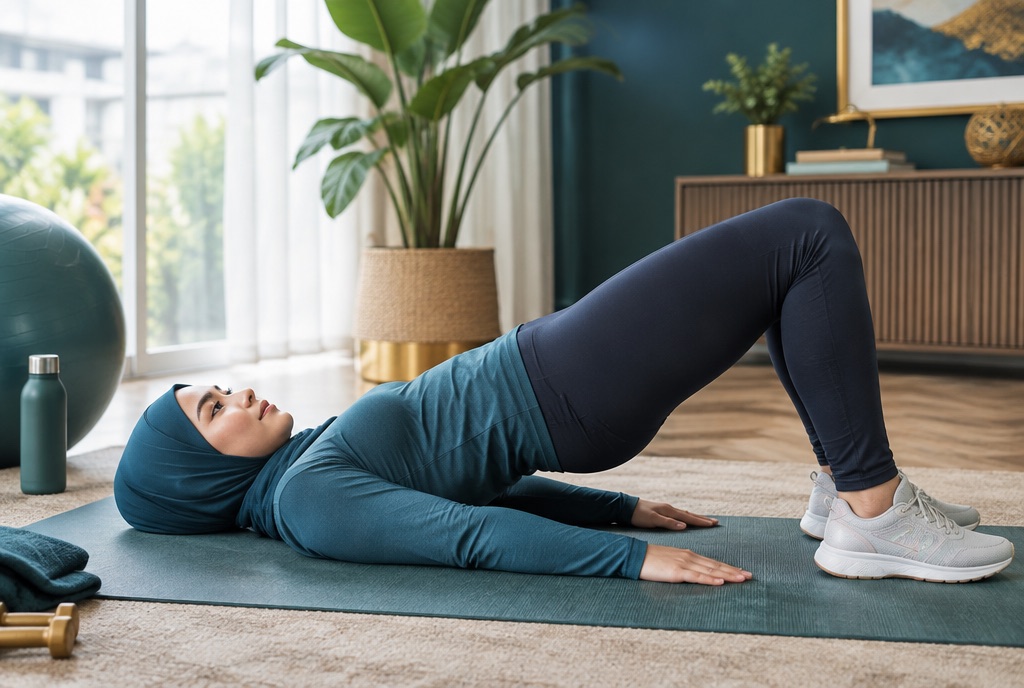
Home care can soften how cellulite looks, but no at-home method removes it. Strength training and other exercise build muscle, and more muscle can make the skin look smoother and firmer. If you are carrying extra weight, losing some and staying at a healthy weight may reduce how much cellulite you see.
Some massage treatments are based on the idea that vigorous massage increases lymphatic drainage and reduces fluid in the area. Any change tends to be short-lived. There is no evidence that handheld massagers, foam rollers or cellulite rollers improve its long-term appearance. There is also no evidence that any supplement reduces cellulite.
What about cellulite cream? Products containing caffeine may make cellulite look less obvious, but you need to apply them every day to keep the effect. A cream with 0.3% retinol may help a little by thickening the skin, but you would need to use it for six months or longer before knowing whether it works for you. Test any new product on a small area first and wait 48 hours for a reaction. If you use an asthma inhaler, avoid products containing aminophylline. If you are pregnant or breastfeeding, check with a doctor before using retinol.
Can you get rid of cellulite in two weeks? No. Even the treatments with the strongest evidence take weeks or months to show a change, so aim for less noticeable dimpling rather than completely smooth skin.
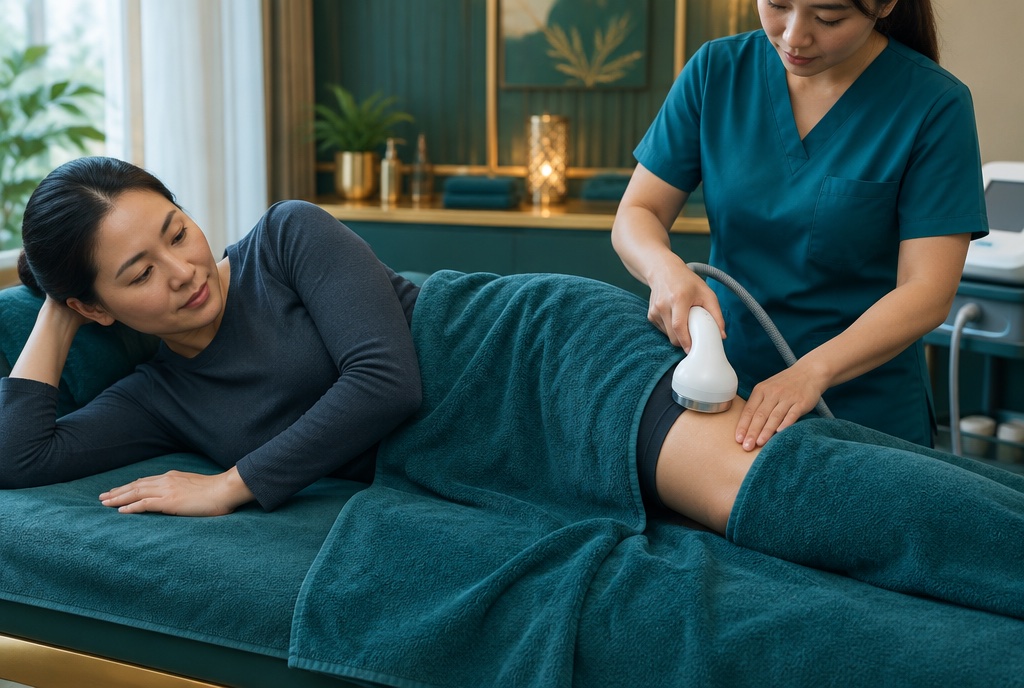
Research shows some treatments can make cellulite less noticeable, at least for a while. A treatment that removes fat is not automatically a treatment for cellulite.
Radiofrequency (RF) heats the tissue under the skin. The American Academy of Dermatology (AAD) says recent studies suggest some patients see a little less cellulite, but the result is short-lived and several treatments are needed to see this minor change. Bruising is common afterwards and fades with time.
Mechanical massage, such as Endermologie, uses a device that deeply massages the skin while lifting it with suction. Study results vary: some found no difference, while others showed a noticeable but temporary reduction. You need to keep having sessions to keep seeing results, and cellulite tends to return within about a month of stopping.
Other approaches include acoustic wave therapy, which uses sound waves and needs several sessions, and procedures that break up or cut the fibrous bands under the dimples, such as subcision. According to the AAD, subcision results can last two years and possibly longer. These options differ in how invasive they are and in their side effects, and not every clinic offers every technique.
Fat-removal treatments are a separate matter. Treatments that remove fat effectively often have no effect on cellulite, fat freezing cannot get rid of it, and liposuction on its own can make dimpling more obvious. If you are also considering slimming treatments, ask which part of the plan targets body contour and which part targets dimpling. They are related concerns, but different outcomes.
At Westwood Clinic, the cellulite treatment options include RF and Endermologie. Your clinician can explain what each involves and what change is realistic.
They can affect similar parts of the body, but they are different conditions.
| Concern | What it is | How it looks or feels | What helps |
|---|---|---|---|
| Cellulite | Dimpling from connective bands pulling down while fat pushes up | Lumpy, dimpled or orange-peel texture, often on the thighs or buttocks; not painful | Exercise may soften its look; some treatments can reduce visible dimpling for a time |
| Stretch marks | A type of scar that forms when skin stretches or shrinks quickly | Streaks or narrow lines that can be pink, red, purple or silver and later fade and sink slightly | They fade with time; stretch mark treatment may make them less noticeable sooner |
| Lipoedema | An abnormal build-up of fat in the legs and sometimes the arms, usually on both sides equally | Legs or bottom out of proportion with the rest of the body, often with pain, tenderness, heaviness or easy bruising; feet usually spared | Medical assessment; care such as exercise, a healthy weight and compression, rather than a cellulite package |
Lipoedema can also give the skin a dimpled, orange-peel texture, so dimpling alone does not rule it out. If your legs are persistently painful, heavy or bruise easily, see a doctor. If a leg becomes swollen, red, hot and painful and you feel unwell, get medical help urgently, as this could be cellulitis.
Every procedure can have side effects, and these depend on the technique and on your health, so have the area assessed before treatment. Temporary redness, swelling or bruising can occur after some treatments. The AAD also notes that your results depend on the skill and experience of the person performing the treatment.
Tell the clinician if you are pregnant or breastfeeding, have a skin infection or a wound in the area, have a medical condition, or take medicines that make you bruise more easily. Don’t treat a hot, painful or rapidly changing area as routine cellulite.
Cellulite is harmless, so treatment is a personal choice, and choosing none is perfectly reasonable.
There is no single session count or cost for cellulite treatment. The number of sessions depends on how pronounced your cellulite is, how you respond and which technique is used; a series of sessions spaced several weeks apart is typical. Cost depends on the same things, along with the size of the area treated and whether maintenance sessions are needed.
Before you start, ask for a plan covering the initial course, review points, possible maintenance and side effects to watch for. An assessment can also show whether your concern is really stretch marks, loose skin or something needing medical care.
No. You can’t completely get rid of cellulite, but you can make it less noticeable. Procedures that release the fibrous bands tend to last longer than creams or massage, yet results vary and some dimpling can return.
Some creams may have a small effect. Caffeine products can make cellulite look less obvious only while you keep applying them daily, and a 0.3% retinol cream needs six months or longer before you can judge any benefit. Creams cannot release the deeper bands that cause the dimples.
Cellulite depends on genetics, hormones, connective tissue and skin structure, not only body weight. That is why lean and very fit people can still have visible dimpling.
Not completely. Exercise builds muscle, which can make the skin look smoother and firmer and cellulite less noticeable, but it does not remove the underlying bands.
No. Cellulite is a harmless dimpled appearance of the skin. Cellulitis is a skin infection, usually caused by bacteria, that makes the skin painful, hot and swollen, and it needs prompt medical treatment.
It depends on the method. With mechanical massage such as Endermologie, cellulite tends to return within about a month of stopping, and RF results are short-lived. Acoustic wave therapy results may last two to six months, while subcision results can last two years and possibly longer. Ask what to expect from the specific technique suggested for you.
Start with an honest look at the concern and the change you hope to see. That lets you weigh home care, clinic treatment and doing nothing, knowing the limits of each. If you would like to explore your options, book a body assessment at Westwood Clinic and ask which approach, if any, suits your skin.
Not sure which option suits you?
Talk it through at a private assessment with our team.